
22 moments
Birth at Saint-Malo
· Saint-Malo, Brittany, France
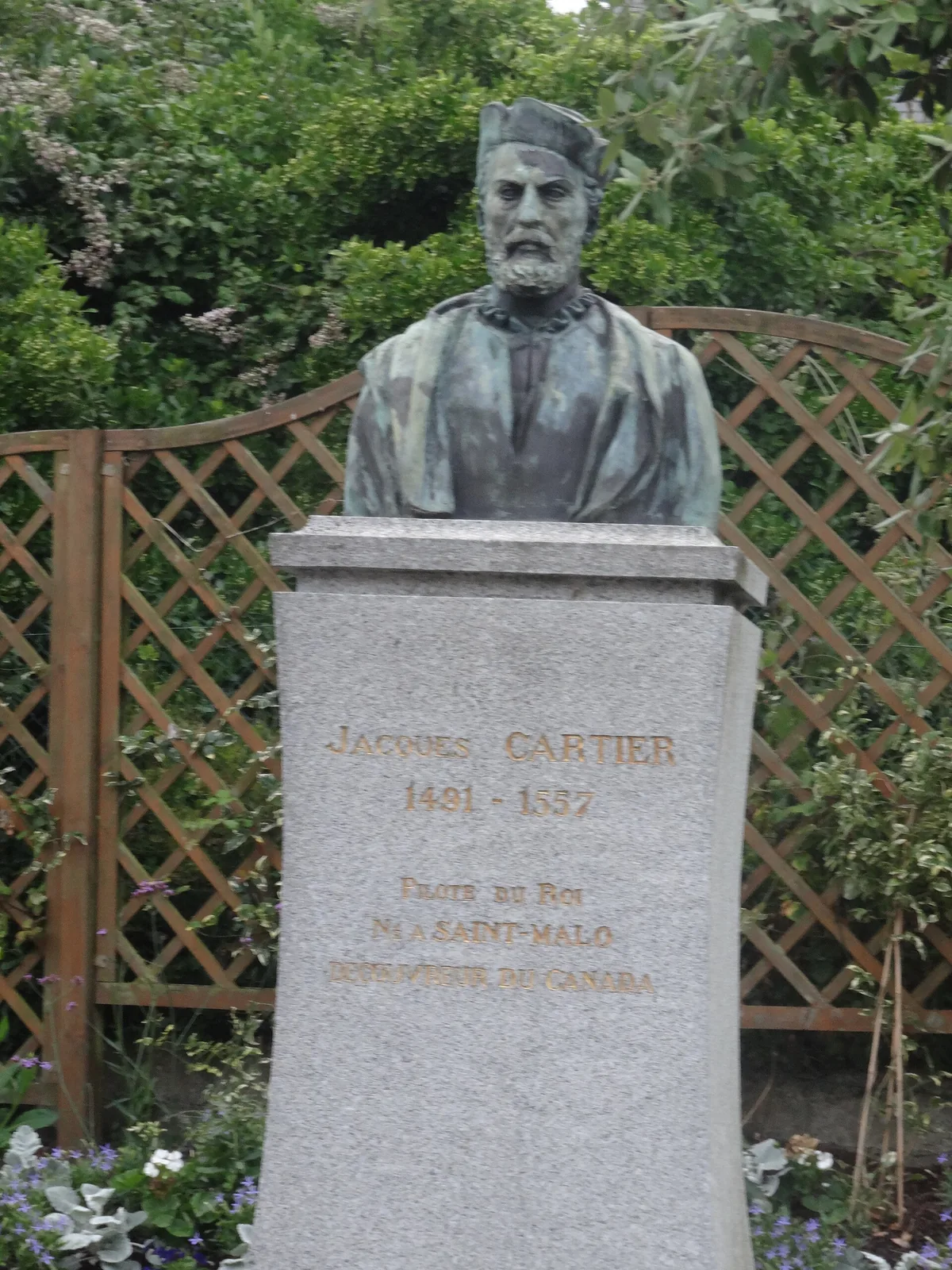
Wikimedia Commons · CC BY-SA 4.0 · file Cartier was born at the Breton port of Saint-Malo, the city from which his documented Atlantic expeditions later departed. The exact birth day is disputed; the Dictionary of Canadian Biography gives a probable range within 1491.
Presentation to Francis I
· Manoir de Brion, Genêts, Normandy, France
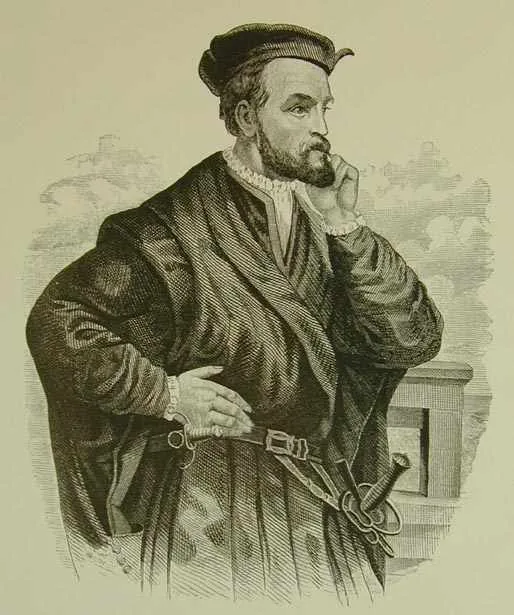
Wikimedia Commons · Creative Commons Public Domain Mark 1.0 · file Before his first voyage, Cartier was presented to King Francis I at the Manoir de Brion by Jean Le Veneur. The source supports the year but not a more precise date.
First-voyage departure
· Saint-Malo, Brittany, France
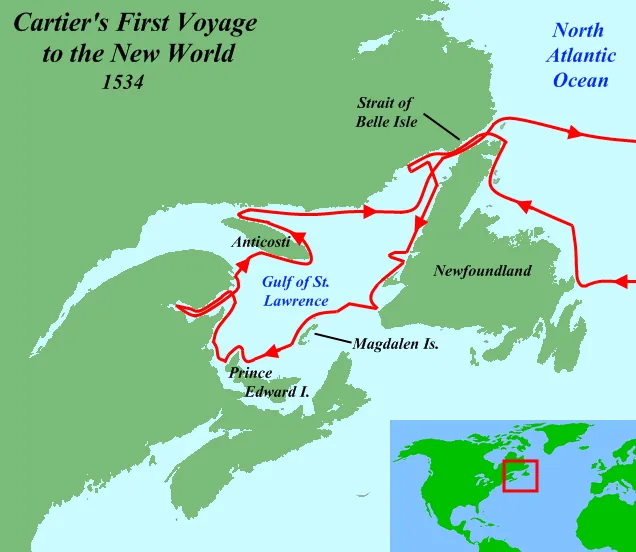
Wikimedia Commons · CC BY-SA 3.0 · file Cartier departed Saint-Malo under royal commission on the expedition that began his recorded exploration of the Gulf of Saint Lawrence.
Exploration of Newfoundland waters
· Newfoundland, Newfoundland and Labrador, Canada
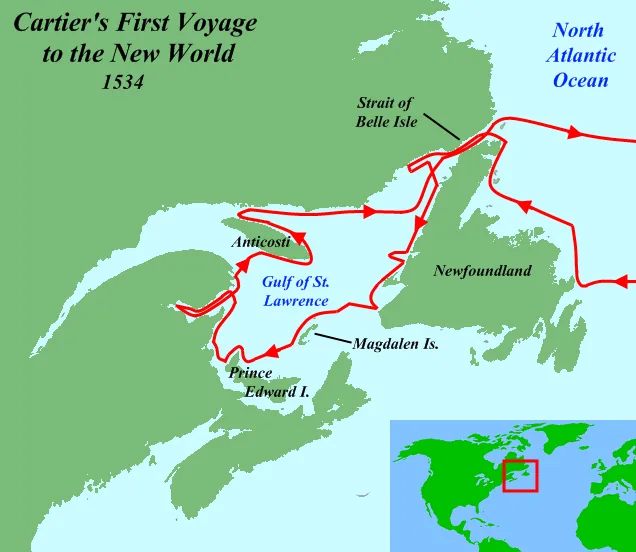
Wikimedia Commons · CC BY-SA 3.0 · file After crossing the Atlantic, Cartier explored parts of Newfoundland during the opening stage of his first voyage. The coordinate is a representative point for the broad Newfoundland area; the source does not locate him at one specific site on 10 May.
Arrival at the Magdalen Islands
· Îles de la Madeleine, Quebec, Canada
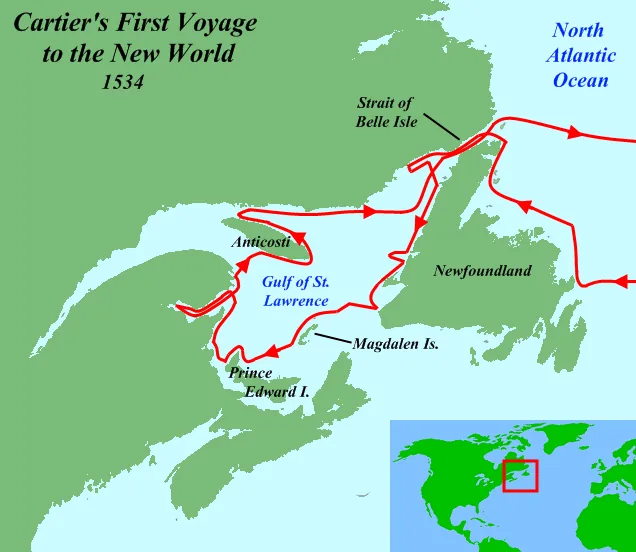
Wikimedia Commons · CC BY-SA 3.0 · file During his first voyage, Cartier reached the Magdalen Islands, which he initially interpreted as part of the mainland. Coordinate is a representative point for the archipelago.
Cross at Gaspé Bay
· Gaspé Bay, Gaspé, Quebec, Canada
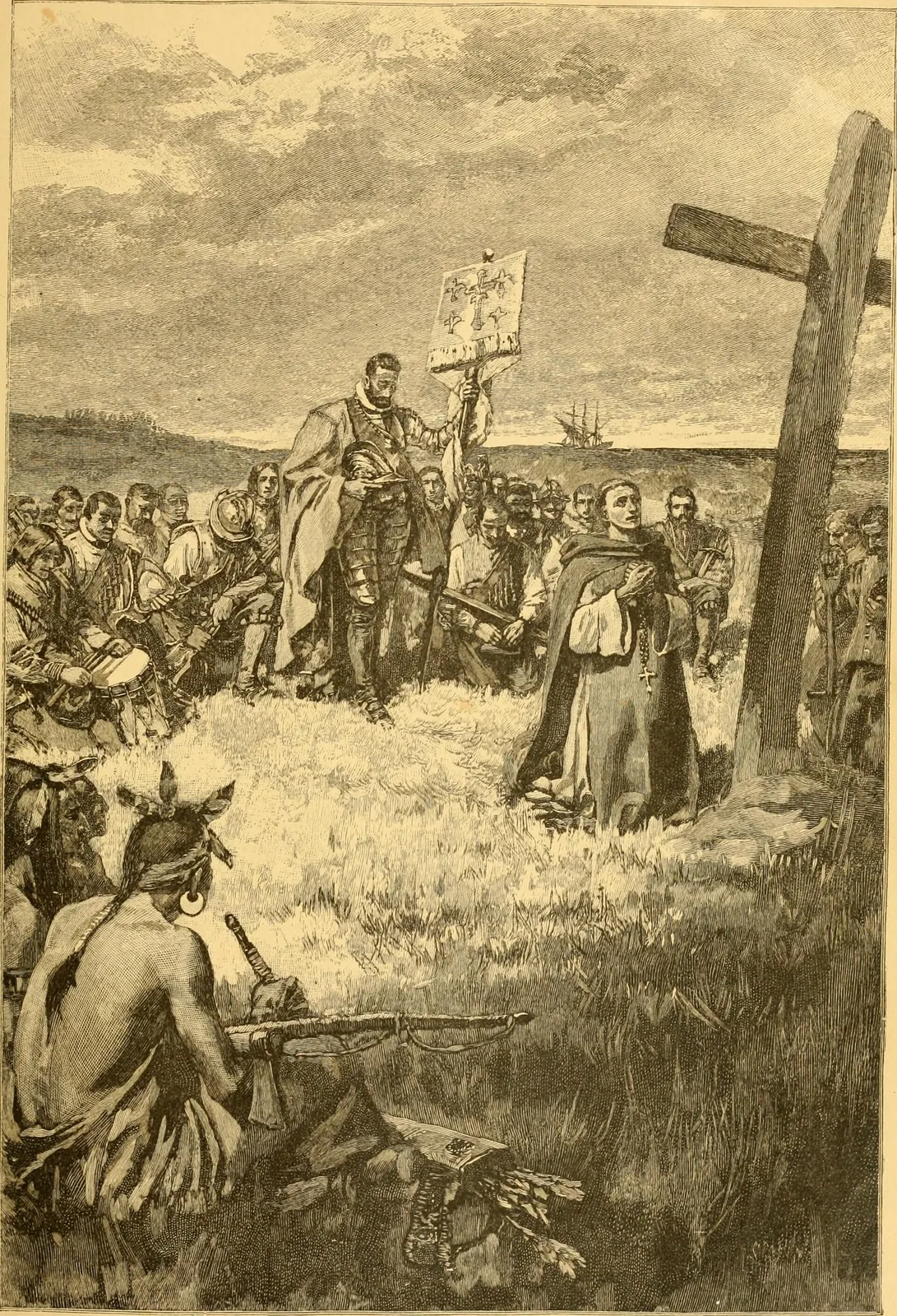
Wikimedia Commons · No known copyright restrictions · file Cartier planted a cross on the shore of Gaspé Bay while claiming the territory for France during his first voyage. Coordinate represents the Gaspé Bay shore rather than the lost original cross site.
Stop at Achelacy
· Portneuf, Quebec, Canada
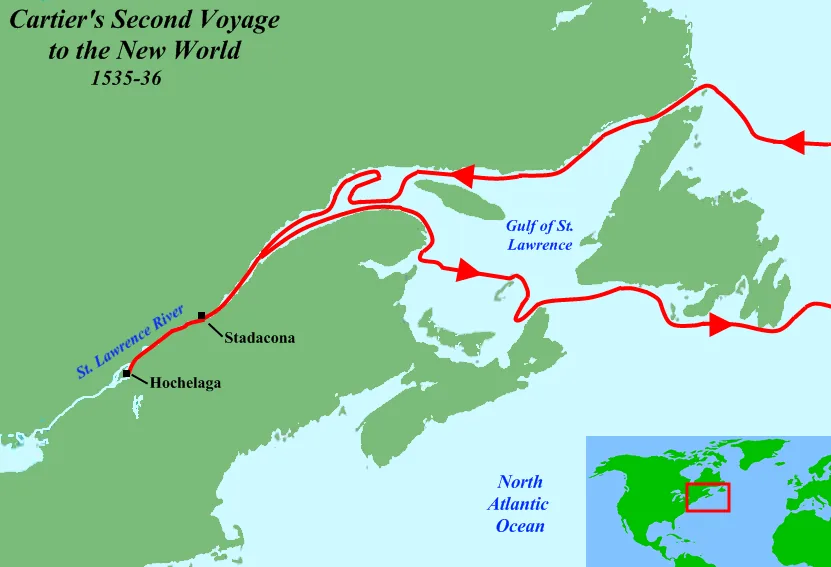
Wikimedia Commons · CC BY-SA 3.0 · file While ascending the Saint Lawrence, Cartier stopped at Achelacy in the Portneuf region and made an alliance with the local chieftain. The source does not give a more precise date or securely identify the exact site of Achelacy; the coordinate represents Portneuf.
Second-voyage departure
· Saint-Malo, Brittany, France
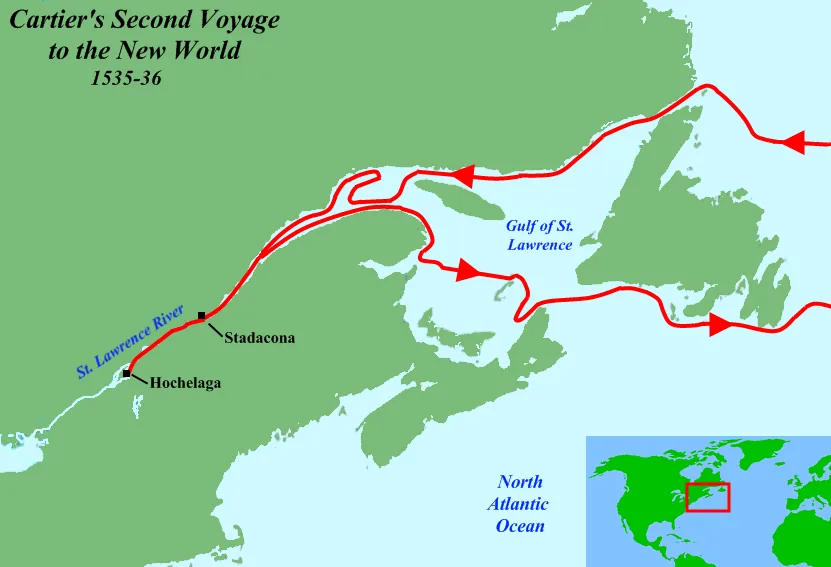
Wikimedia Commons · CC BY-SA 3.0 · file Cartier left Saint-Malo with three ships, 110 men, and the two captives taken on his first voyage.
Arrival at Hochelaga
· Hochelaga, Montreal, Quebec, Canada
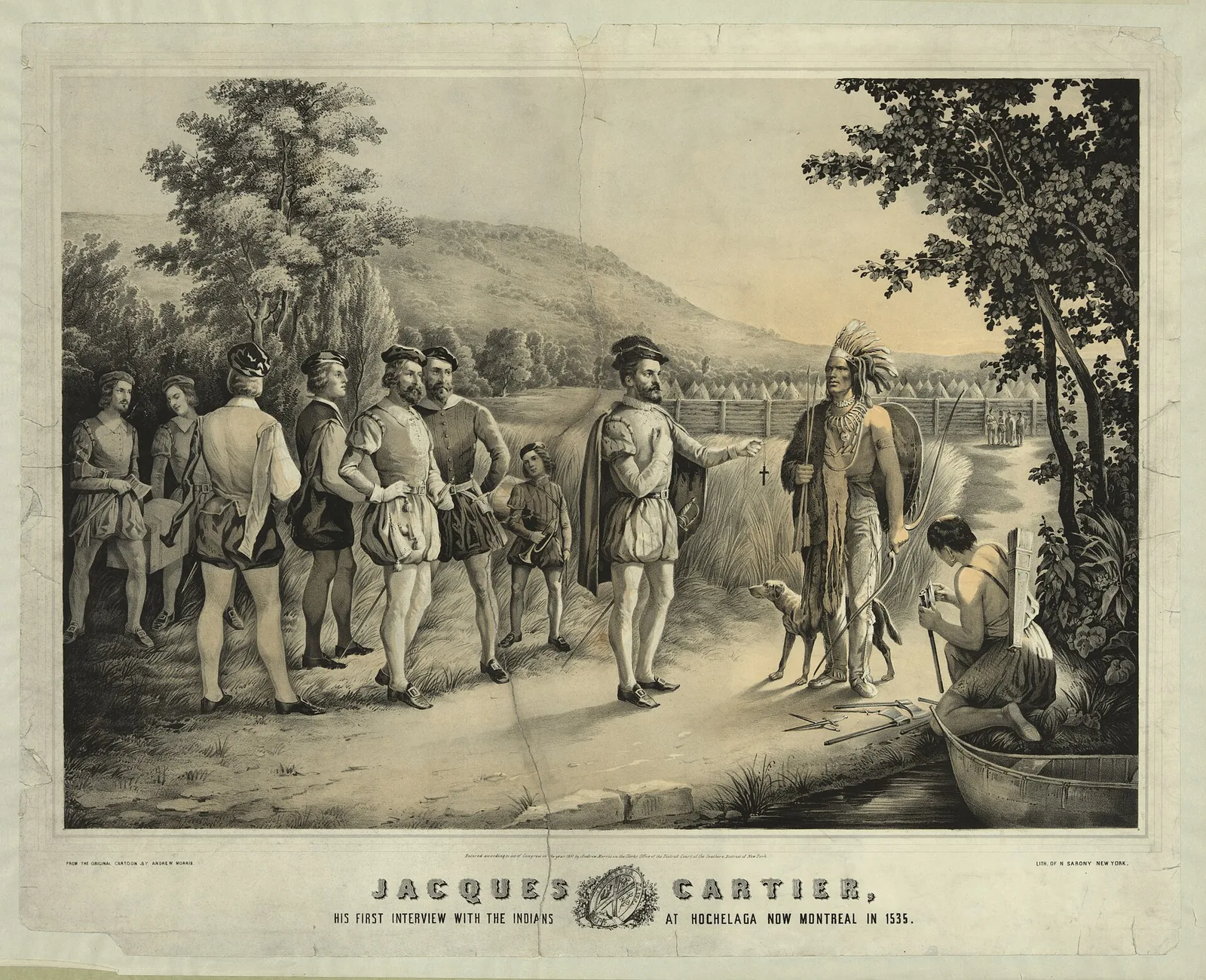
Wikimedia Commons · Public domain · file Cartier reached the St. Lawrence Iroquoian town of Hochelaga, near present-day Montreal, on his first upriver journey. Hochelaga's exact historical location is uncertain; coordinate uses the recognized Hochelaga National Historic Site point.
Visit to the Lachine Rapids
· Lachine Rapids, Montreal, Quebec, Canada
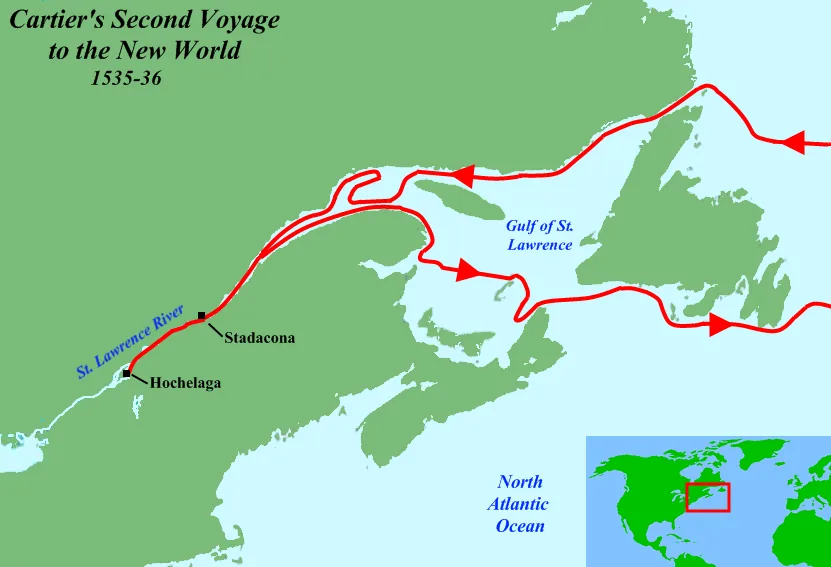
Wikimedia Commons · CC BY-SA 3.0 · file The day after reaching Hochelaga, Cartier inspected the rapids that prevented further westward navigation on the Saint Lawrence. The same source states immediately before this sentence that he had visited the rapids blocking navigation west of Hochelaga; coordinate represents the Lachine Rapids.
Cross at the Saint-Maurice River
· Mouth of the Saint-Maurice River, Trois-Rivières, Quebec, Canada
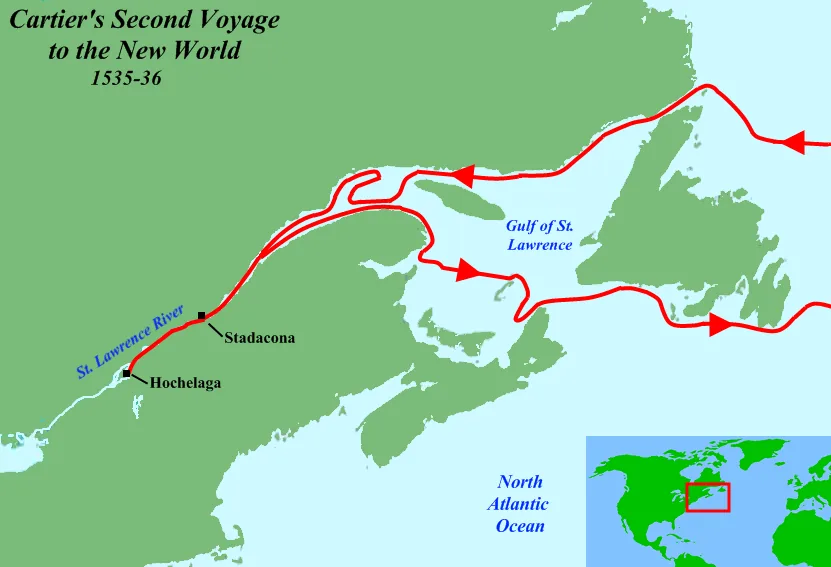
Wikimedia Commons · CC BY-SA 3.0 · file On his return from Hochelaga, Cartier stopped at the mouth of the Saint-Maurice River and erected a cross. Coordinate represents the river mouth.
Wintering at Stadacona
· Mouth of the Saint-Charles River, Quebec City, Quebec, Canada
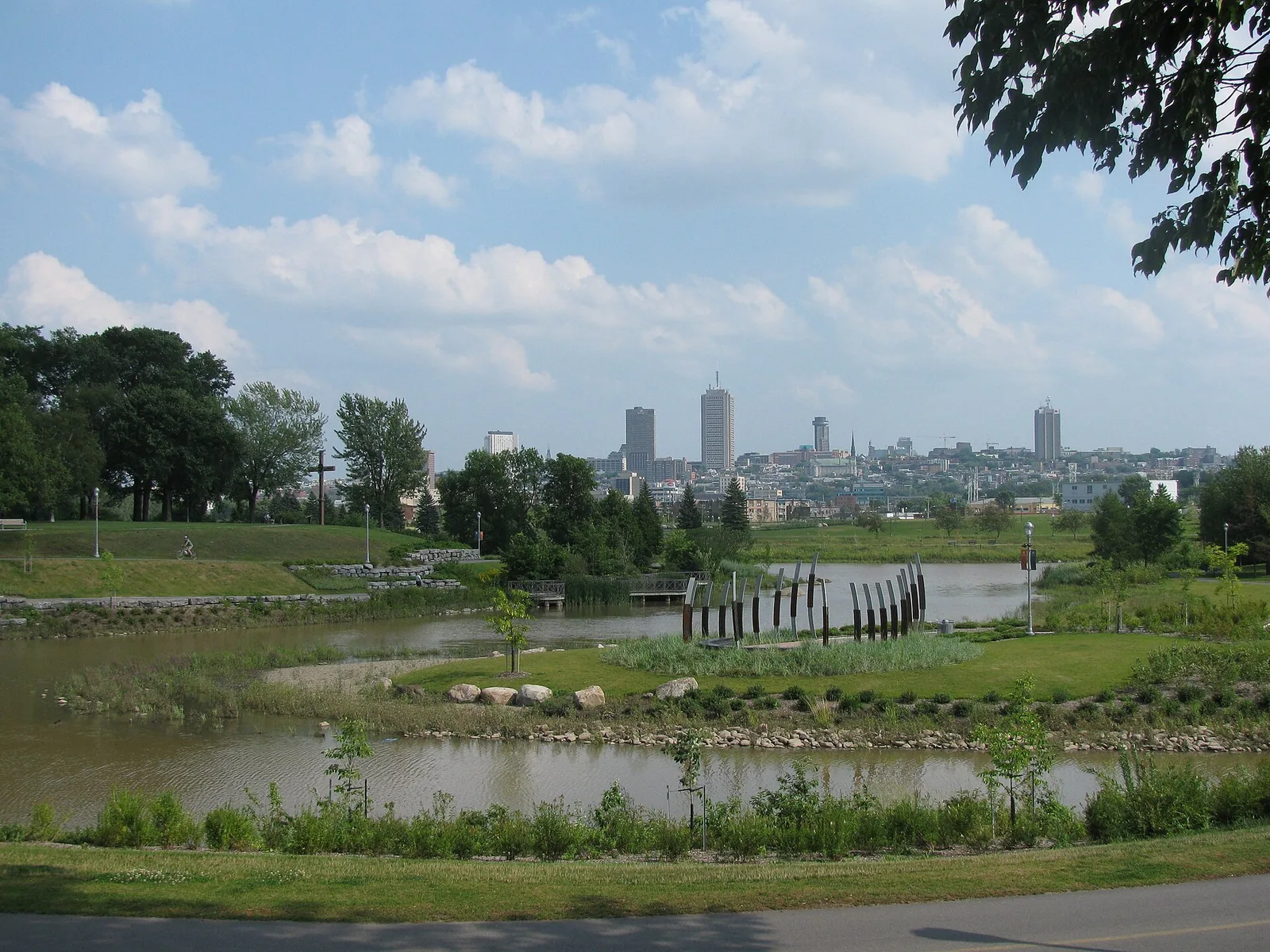
Wikimedia Commons · CC0 1.0 · file Cartier's fleet wintered near Stadacona at the mouth of the Saint-Charles River, where the expedition suffered a severe scurvy outbreak. Date is given to month precision because the source specifies mid-November; coordinate represents the historical wintering area.
Departure from Sainte-Croix
· Sainte-Croix, Stadacona area, Quebec City, Quebec, Canada
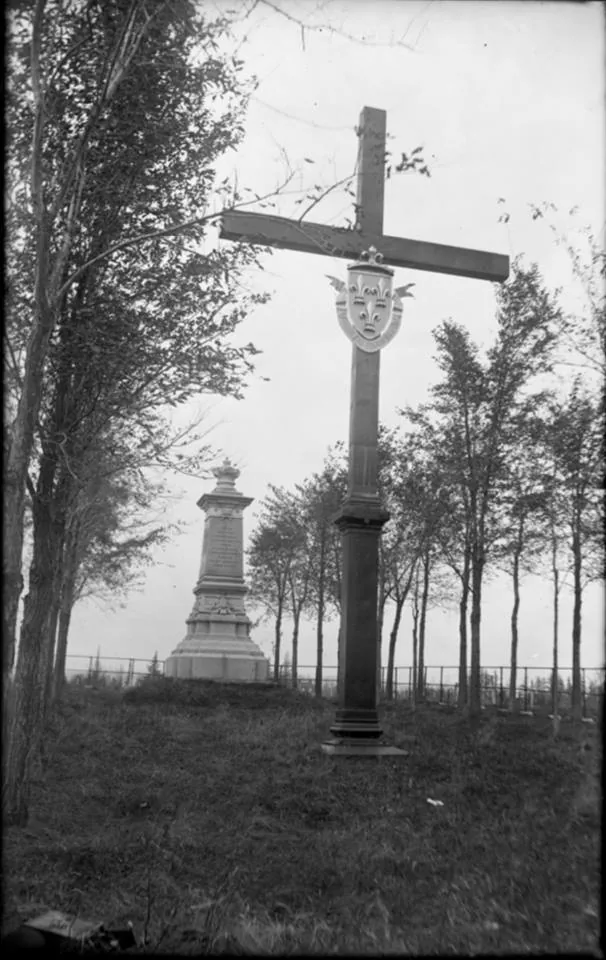
Wikimedia Commons · Creative Commons Public Domain Mark 1.0 · file After the winter at Stadacona, Cartier departed the Sainte-Croix anchorage for France with two ships and several Iroquoians. Sainte-Croix was Cartier's historical name for his anchorage near Stadacona; coordinate represents the mouth of the Saint-Charles River.
Return from the second voyage
· Saint-Malo, Brittany, France
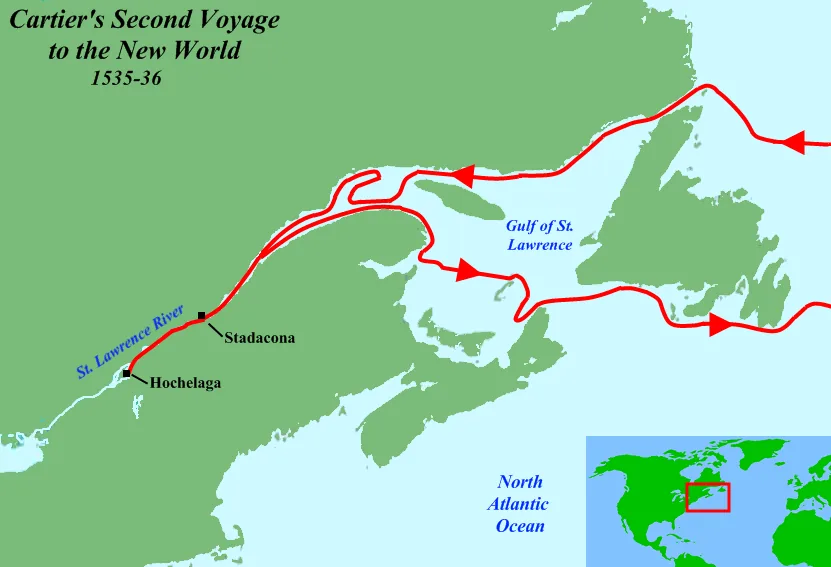
Wikimedia Commons · CC BY-SA 3.0 · file Cartier returned to his home port after his second voyage, ending an absence of about fourteen months.
Establishment of Charlesbourg-Royal
· Fort Charlesbourg-Royal, Cap-Rouge, Quebec City, Quebec, Canada
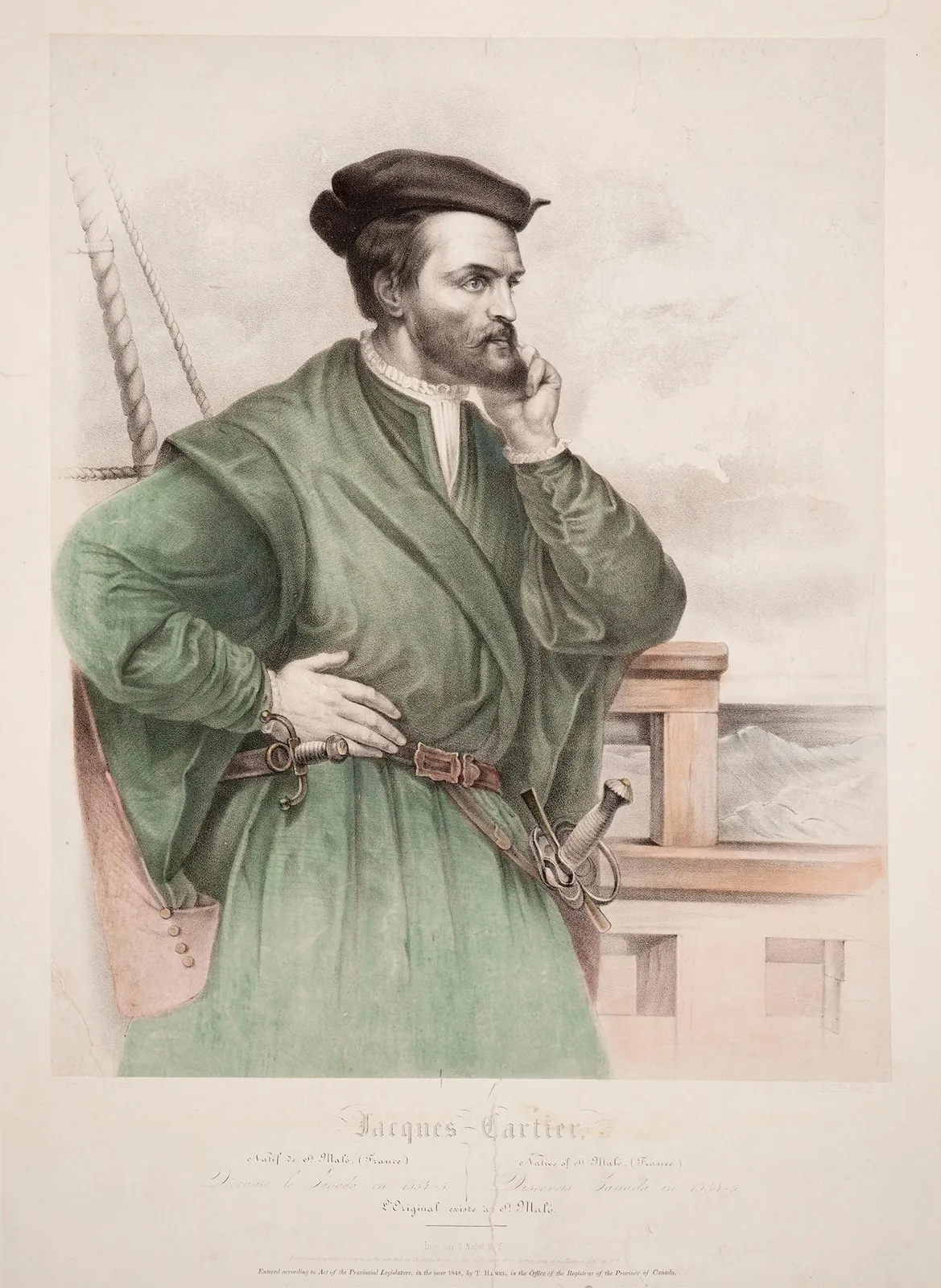
Wikimedia Commons · Public domain · file Cartier established the fortified settlement of Charlesbourg-Royal at Cap-Rouge during the summer of his third voyage. The source specifies summer 1541 but does not support a single month or day.
Third-voyage departure
· Saint-Malo, Brittany, France
Wikimedia Commons · Public domain · file Cartier began his final voyage from Saint-Malo with five ships, advancing ahead of Roberval's delayed colonizing expedition.
Return to Stadacona
· Stadacona, Quebec City, Quebec, Canada
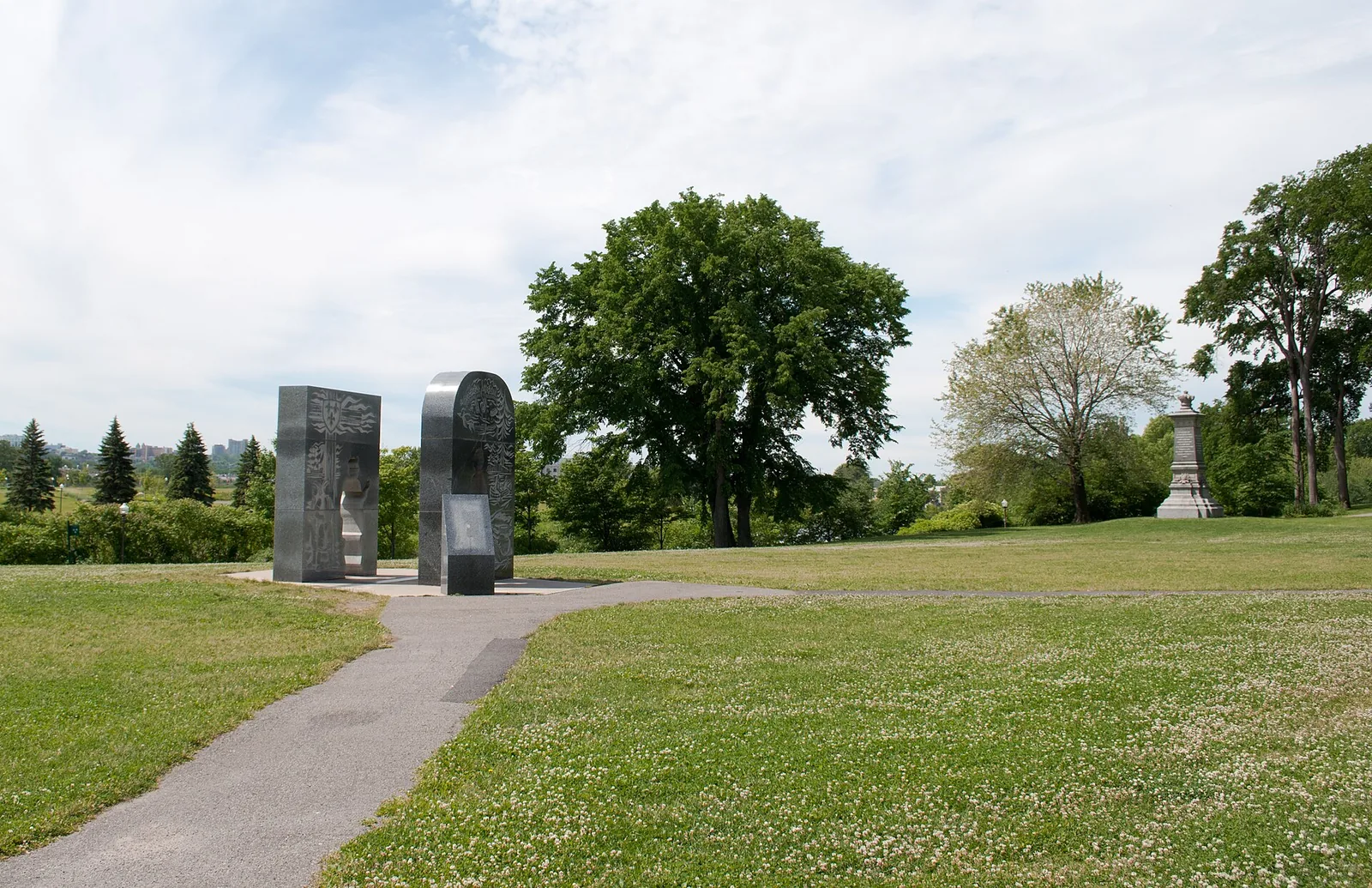
Wikimedia Commons · CC BY-SA 3.0 · file Cartier reappeared at Stadacona during his third voyage and met the local Iroquoians before moving to establish a settlement upstream. Coordinate represents the Stadacona area at the mouth of the Saint-Charles River.
Return to Hochelaga on third voyage
· Hochelaga, Montreal, Quebec, Canada
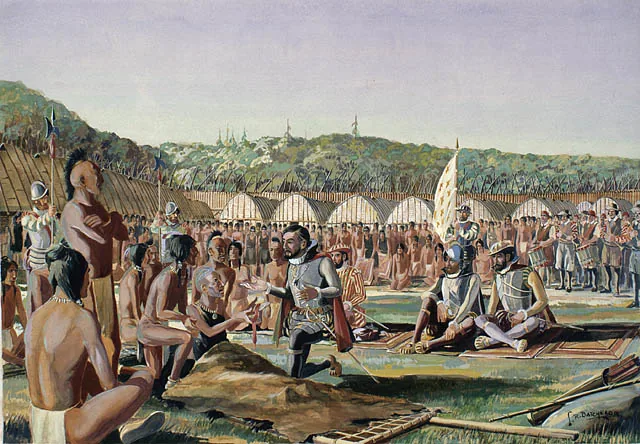
Wikimedia Commons · Public domain · file During the September reconnaissance, Cartier reached Hochelaga again but was unable to proceed toward the Ottawa River because of weather and rapids. Month is inferred from the immediately preceding 7 September departure; Hochelaga's exact historical location is uncertain.
Reconnaissance from Charlesbourg-Royal
· Fort Charlesbourg-Royal, Cap-Rouge, Quebec City, Quebec, Canada
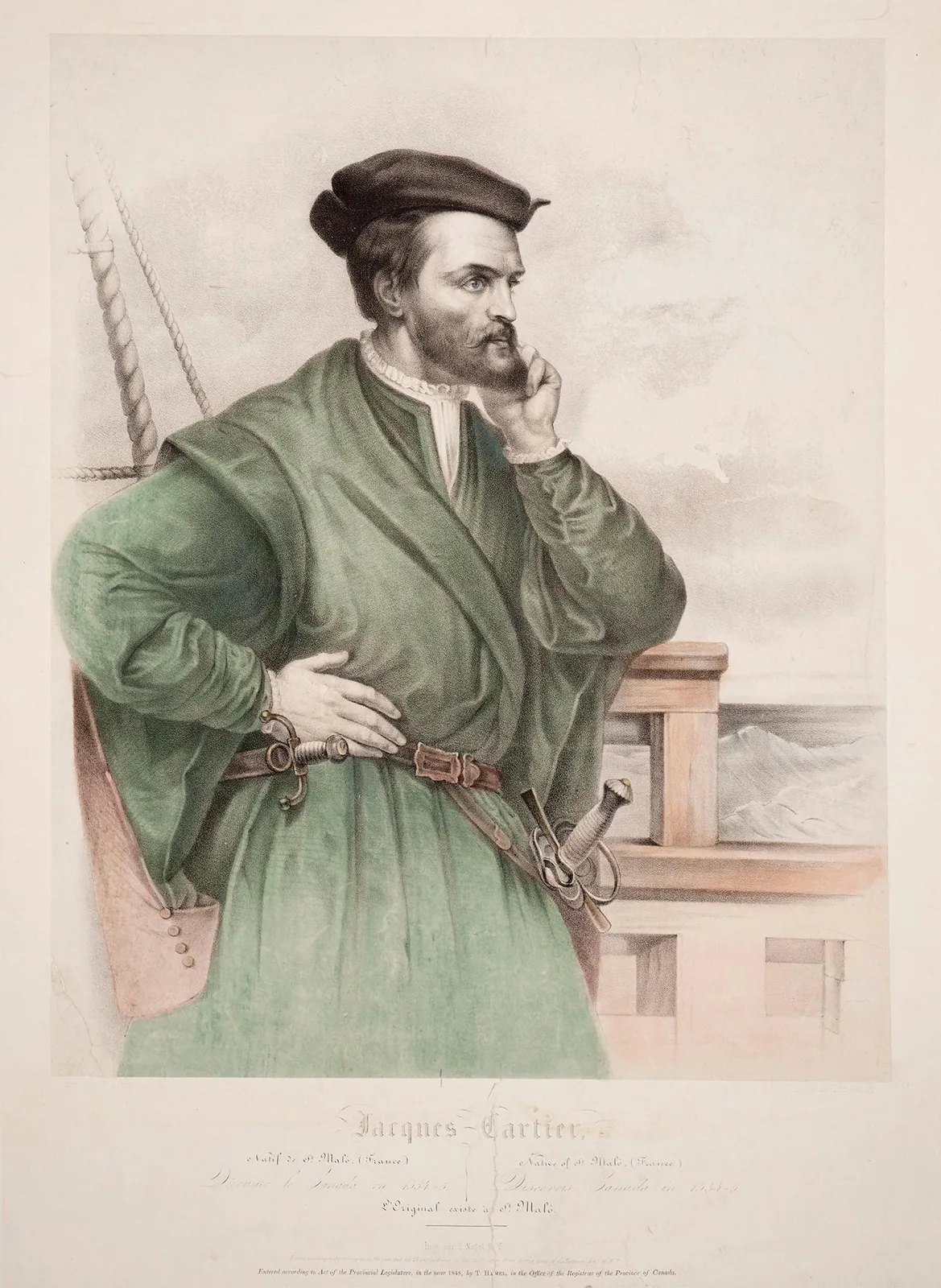
Wikimedia Commons · Public domain · file Cartier left Charlesbourg-Royal by longboat to reconnoitre for the reputed Kingdom of Saguenay.
Later life in Saint-Malo
· Saint-Malo, Brittany, France
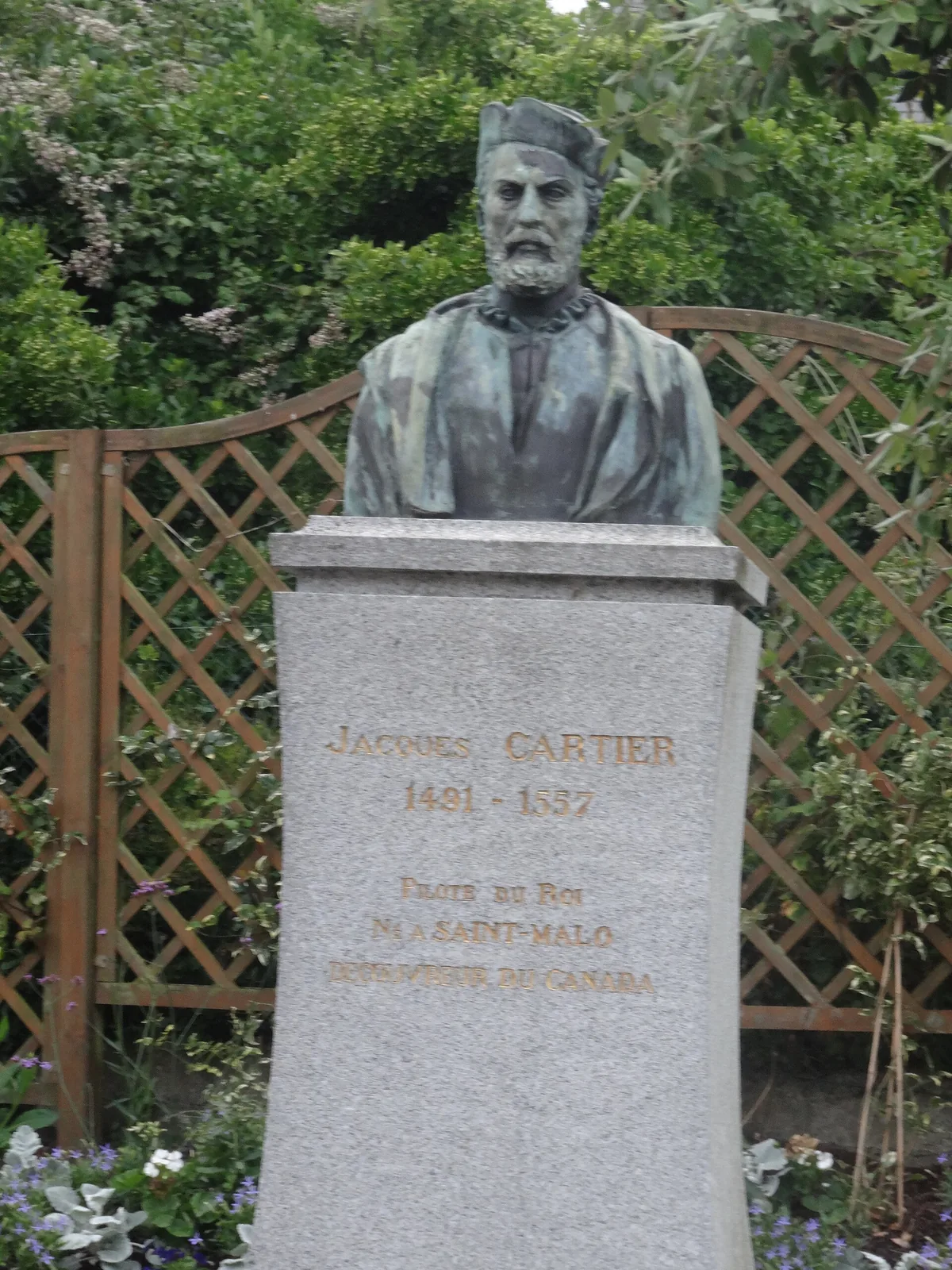
Wikimedia Commons · CC BY-SA 4.0 · file After his final voyage, Cartier spent the remainder of his life in Saint-Malo and at his nearby estate, continuing local business and civic activities. 1542 is the year of his final return from North America; the source does not identify dates for each later stay in Saint-Malo.
Meeting Roberval at St. John's
· St. John's Harbour, Newfoundland and Labrador, Canada
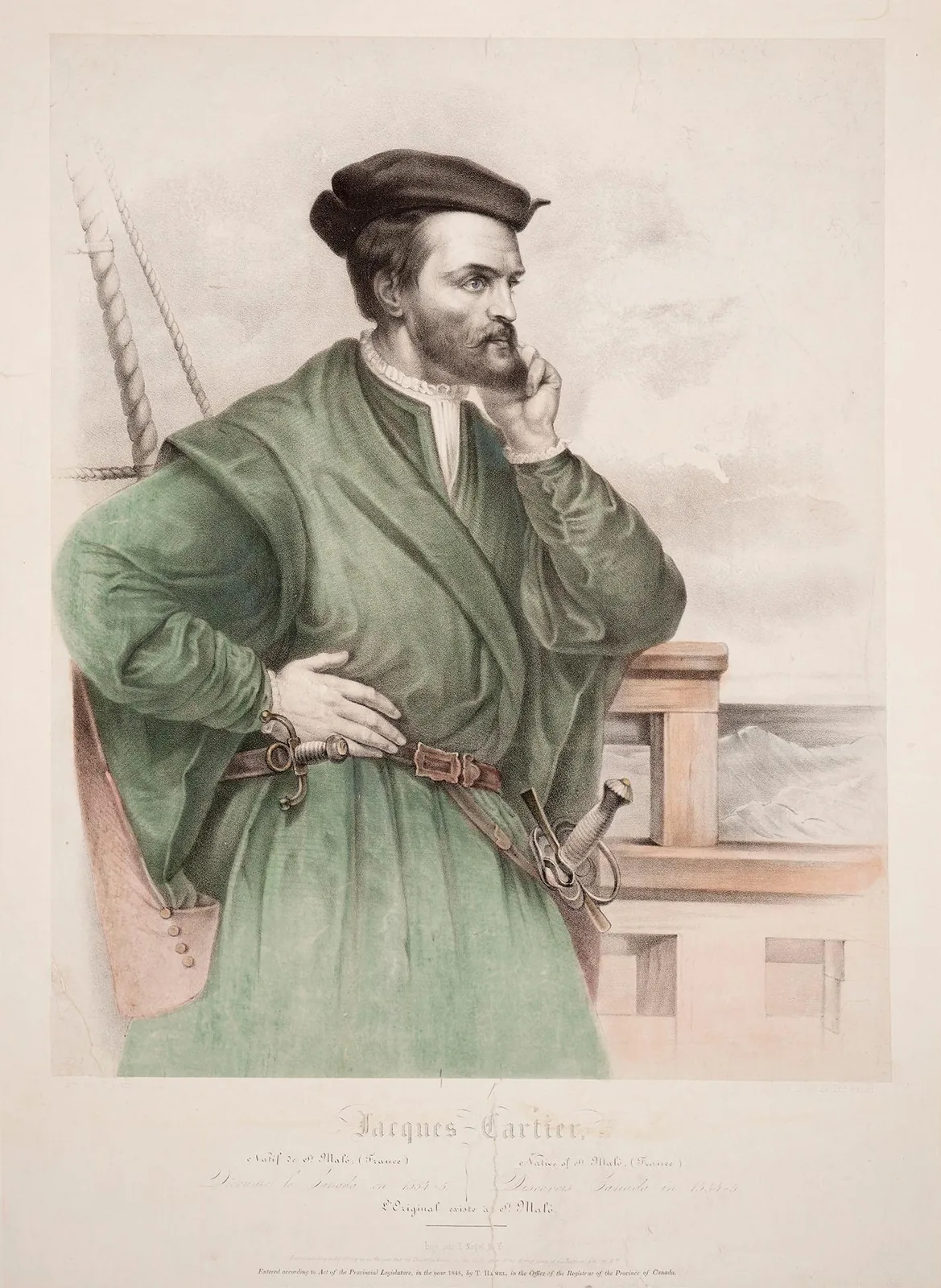
Wikimedia Commons · Public domain · file While leaving Canada, Cartier met Jean-François de La Rocque de Roberval and his settlers at the port of St. John's, Newfoundland. The month follows the account of Cartier's early-June 1542 departure; source text does not provide an exact meeting day.
Death at Saint-Malo
· Saint-Malo, Brittany, France
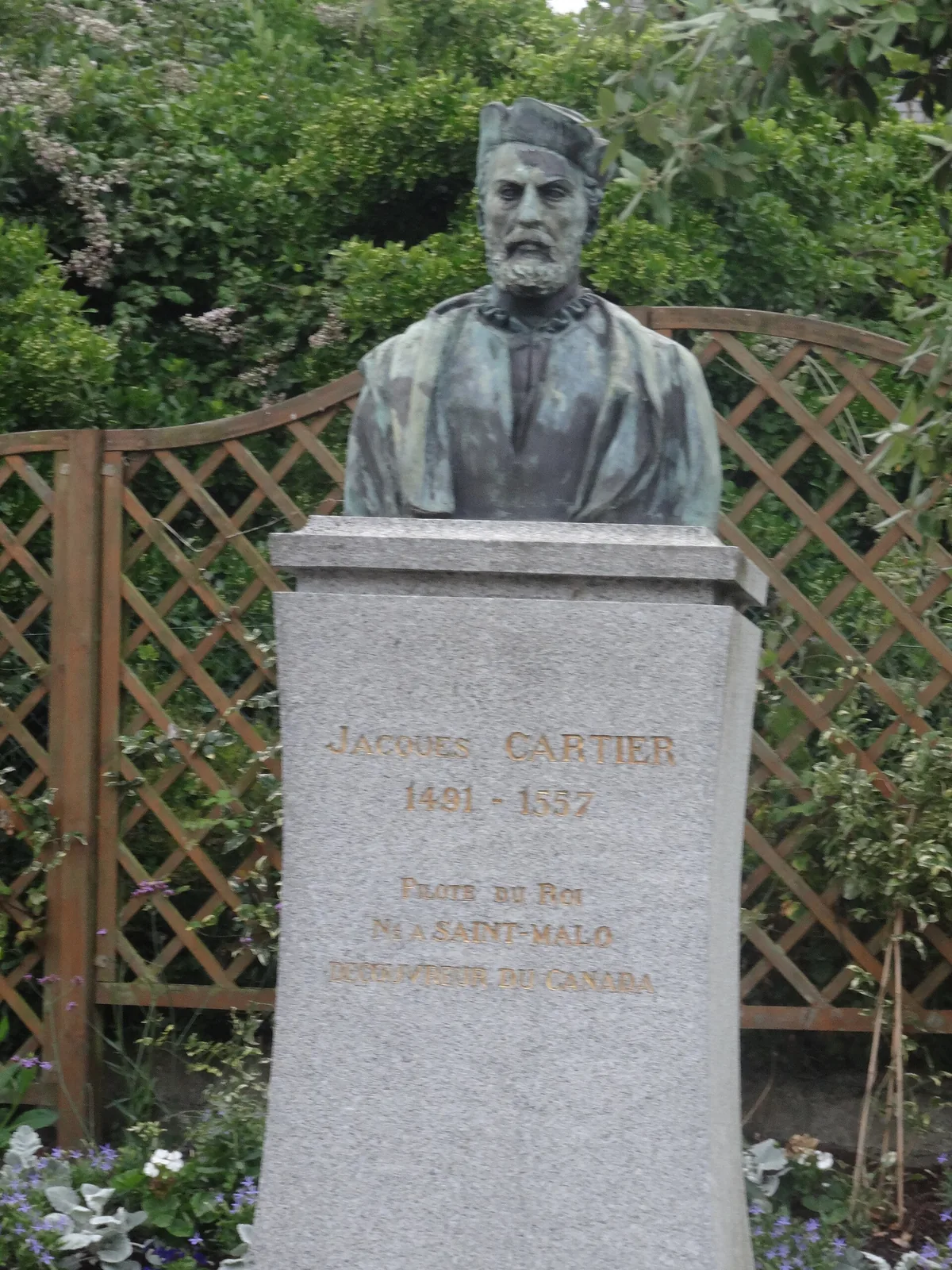
Wikimedia Commons · CC BY-SA 4.0 · file Cartier died in Saint-Malo during an epidemic, ending the life of the navigator associated with France's early Saint Lawrence expeditions. The article's infobox identifies Saint-Malo as his place of death.