
12 moments
Arrival at Susa before the accession coup
· Susa, Khuzestan, Iran
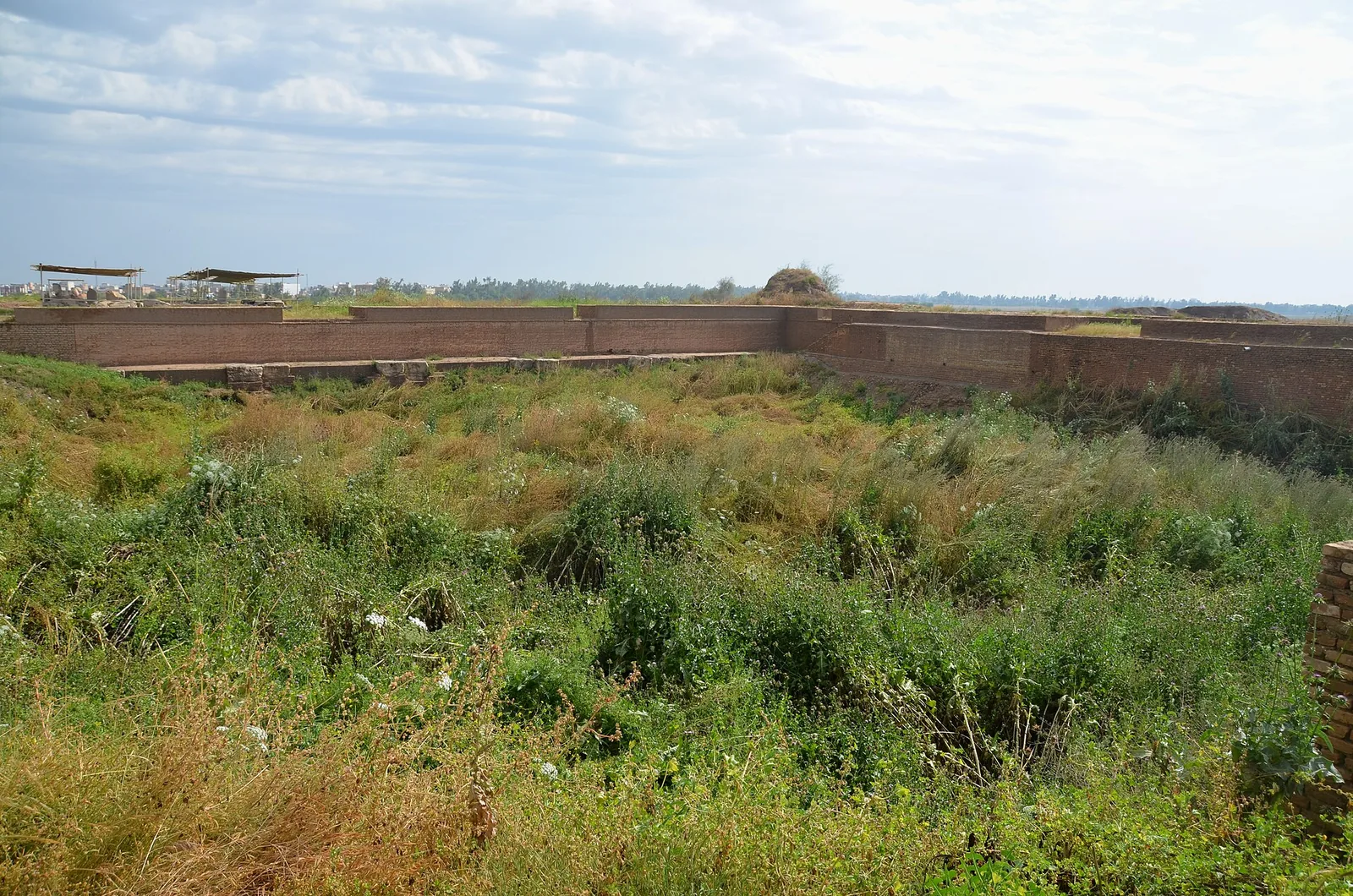
Wikimedia Commons · Creative Commons Attribution-Share Alike 2.0 Generic · file In Herodotus’s account, Darius came to Susa to join the conspiracy against the Magian ruler. The account is ancient literary evidence and is retained with lower confidence because the accession narrative is contested. The source attributes this movement to Herodotus; the event is dated only to 522 BCE, before Darius’s accession.
Move to Ecbatana after coronation
· Ecbatana (modern Hamadan), Hamadan Province, Iran
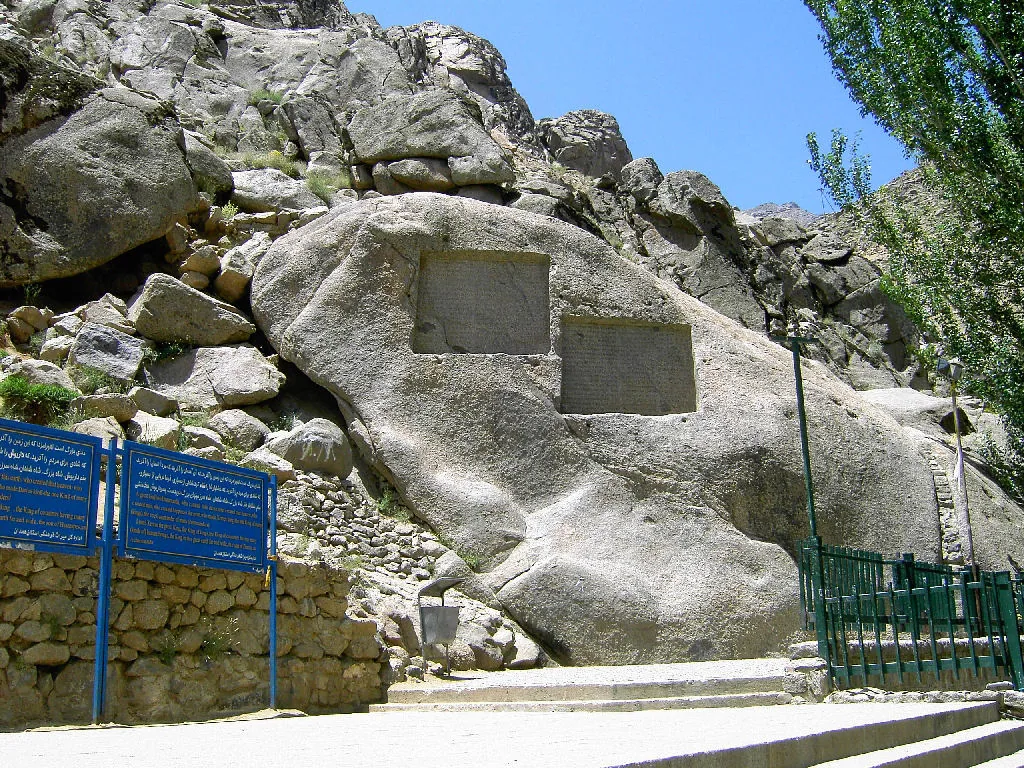
Wikimedia Commons · This work has been released into the public domain by its author, Mmadjid at English Wikipedia. · file After being crowned king at Pasargadae, Darius moved to Ecbatana, where he learned of major revolts in Elam and Babylonia. The source establishes the movement but gives no more precise date than the year 522 BCE.
Overthrow of Gaumata at Sikayauvatiš
· Sikayauvatiš, Nisaia, Media, Iran
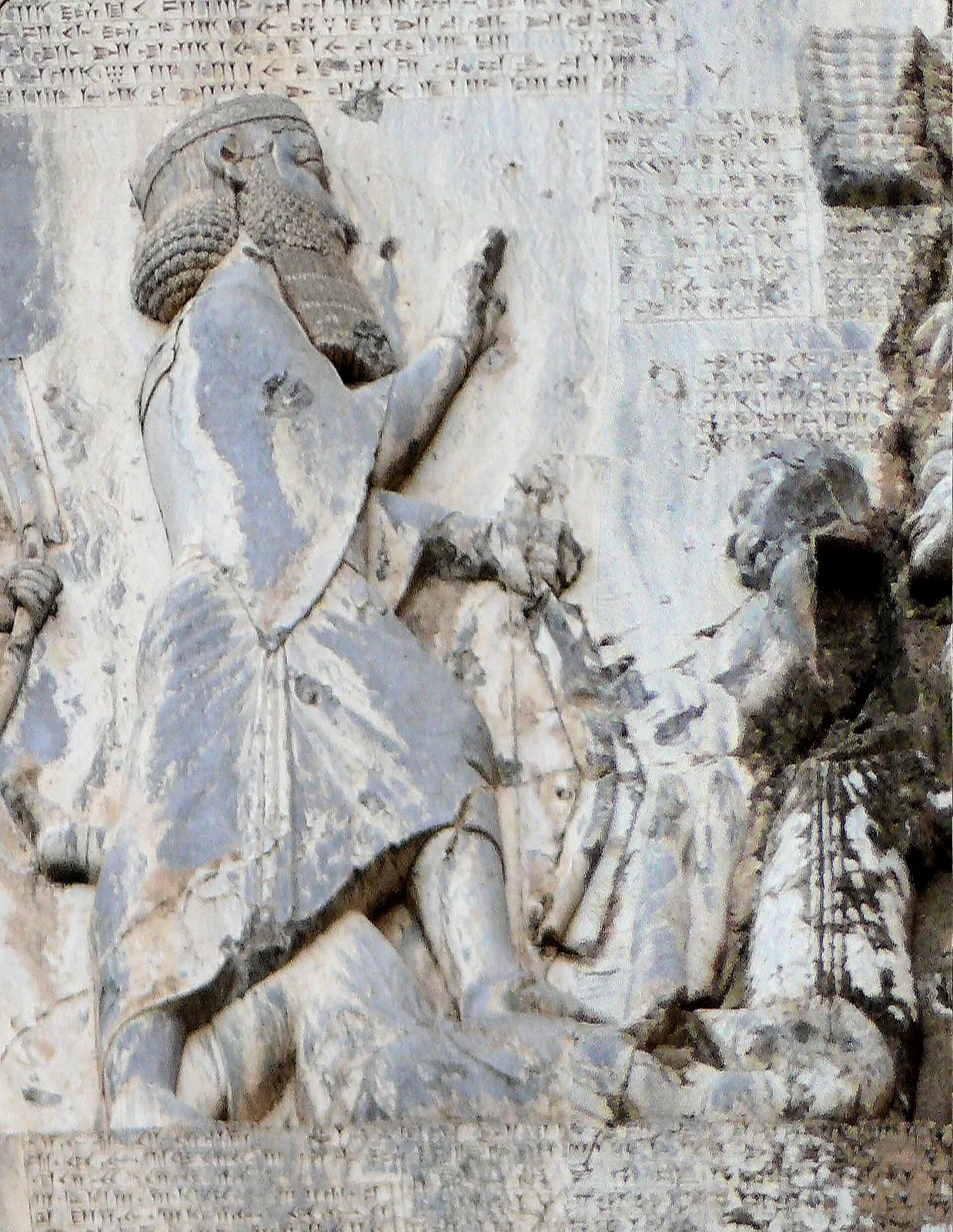
Wikimedia Commons · Creative Commons Attribution-Share Alike 2.0 Generic · file Darius personally killed Gaumata at the stronghold of Sikayauvatiš, an event he presented as restoring the Achaemenid monarchy and establishing his kingship. The exact site of Sikayauvatiš is uncertain; coordinates represent the Hamedan/Nisaia area in Media.
Capture of Babylon
· Babylon, Babil Governorate, Iraq
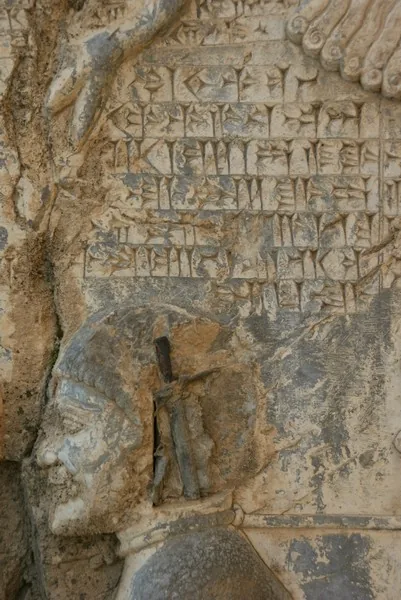
Wikimedia Commons · Creative Commons CC0 1.0 Universal Public Domain Dedication · file After defeating Nidintu-Bêl’s forces, Darius marched to Babylon, captured the city, and killed the rebel claimant there. The capture follows the battle dated 18 December 522 BCE, but the source does not provide a separate day for Darius’s entry into Babylon.
Crossing of the Tigris during the Babylonian campaign
· Tigris River, Iraq
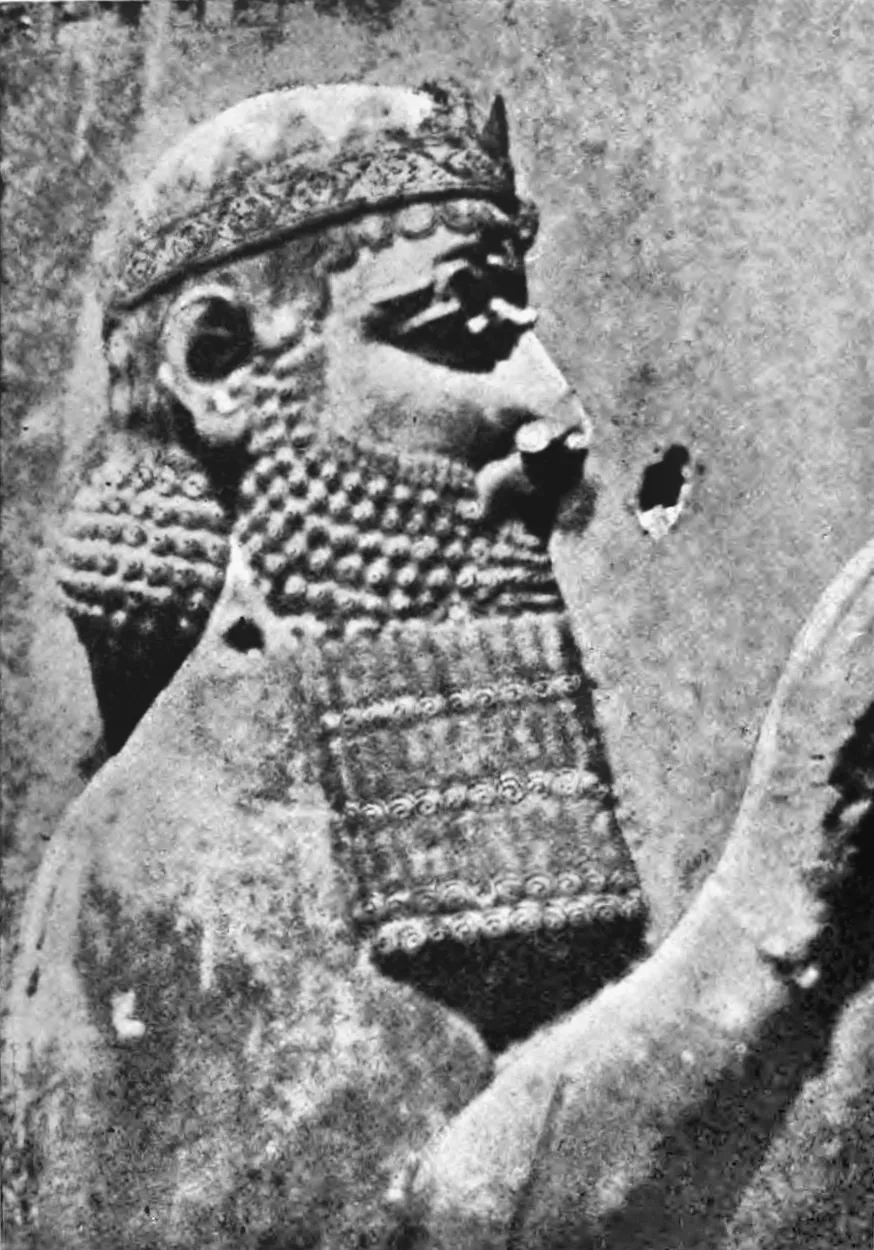
Wikimedia Commons · Public domain · file Darius crossed the Tigris with his army and fought the forces of Nidintu-Bêl during his first campaign to recover Babylonia. The precise crossing point is not identified in the source; coordinates are a representative middle-Tigris location near Baghdad.
Battle against Phraortes at Kunduruš
· Kundurush, Media (near modern Kangavar), Kermanshah Province, Iran
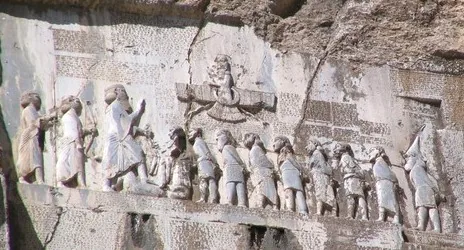
Wikimedia Commons · Creative Commons Attribution-Share Alike 3.0 Unported · file Darius entered Media and personally fought the rebel Phraortes at Kunduruš, a pivotal action in suppressing the Median revolt. Kundurush is conventionally identified only approximately, often near Kangavar; coordinates reflect that proposed identification.
Egyptian royal visit and pacification
· Egypt
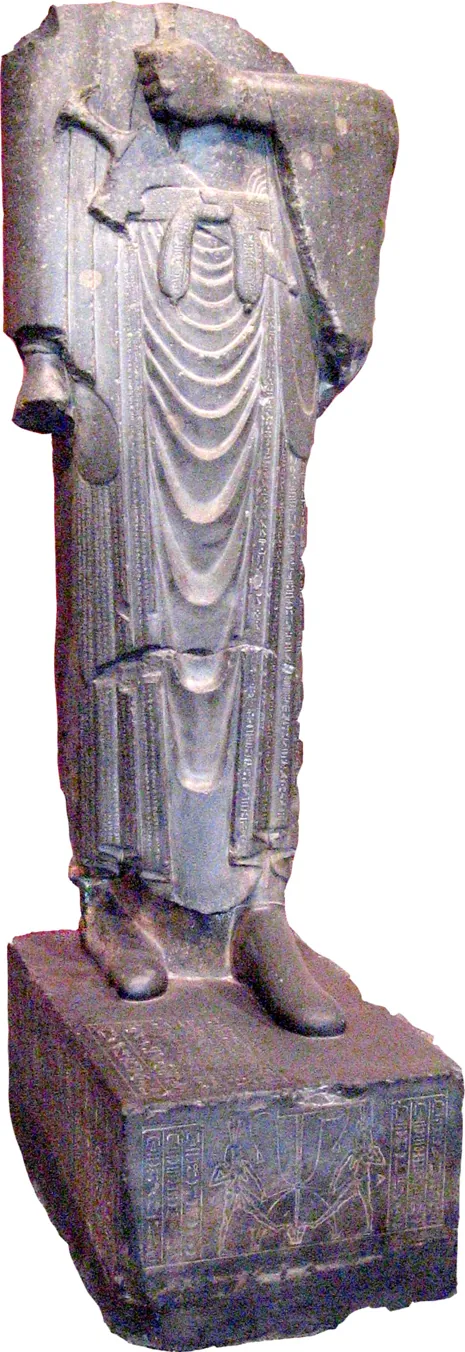
Wikimedia Commons · Creative Commons Attribution-Share Alike 2.5 Generic · file Darius traveled to Egypt in autumn 517 BCE, where he sought to pacify the country and ordered the codification of Egyptian laws. The evidence specifies Egypt but not a particular city or ceremonial site; coordinates are a representative point for Egypt.
Campaign march to Taxila
· Taxila, Punjab, Pakistan
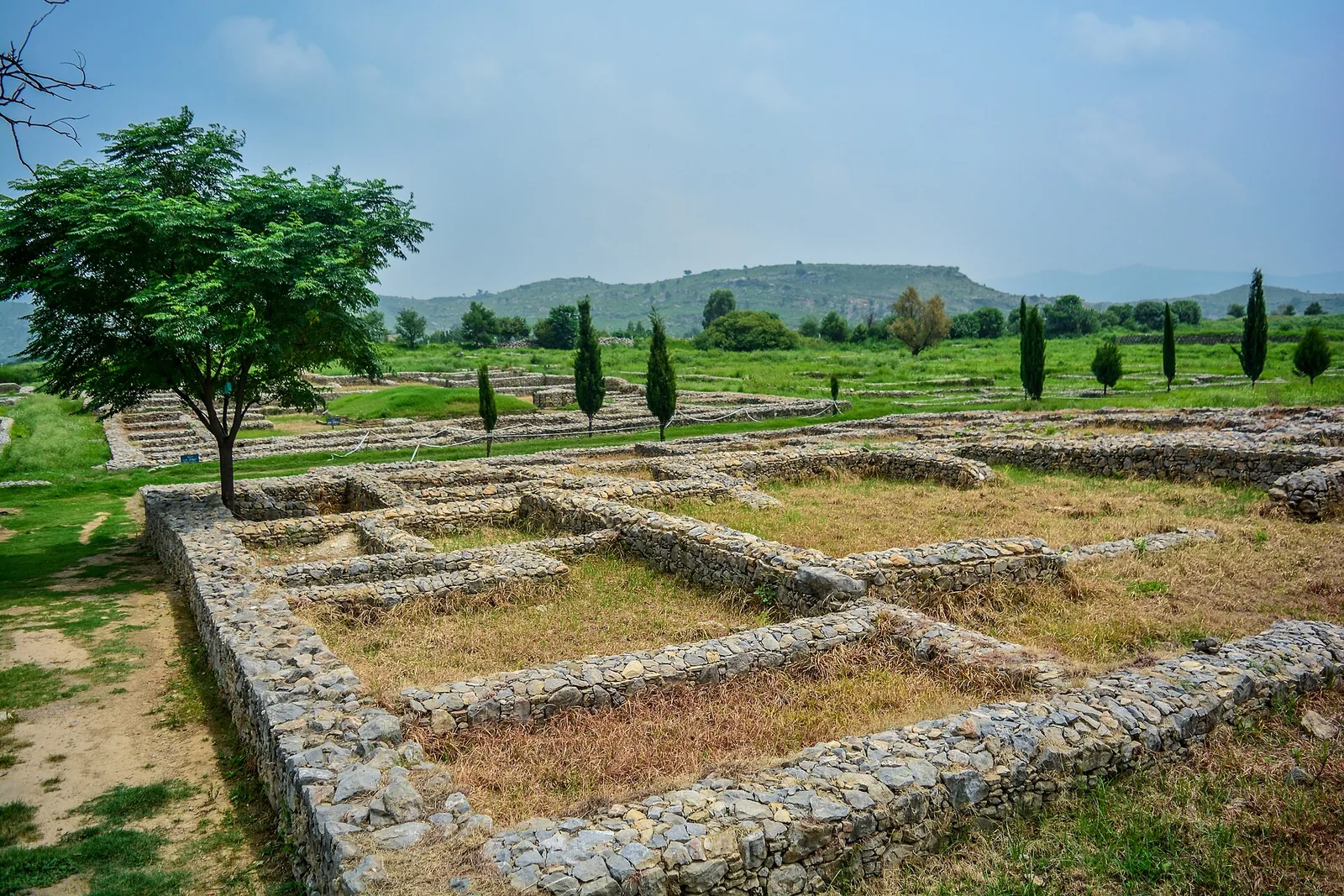
Wikimedia Commons · Creative Commons Attribution-Share Alike 4.0 International · file During his eastern campaign, Darius marched through Afghanistan to Taxila, extending the documented geographical range of his personal movements into the northwest Indian subcontinent. The precise route and duration of the march are not supplied by the source.
Crossing the Bosporus into Europe
· Bosporus, Istanbul, Turkey
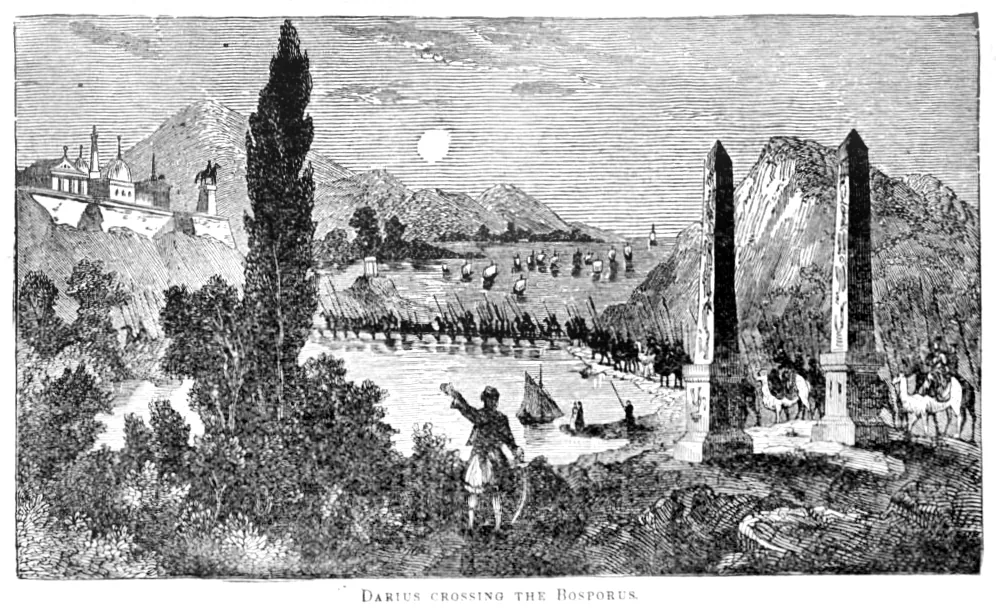
Wikimedia Commons · Public domain · file Darius crossed from Asia into Europe over a pontoon bridge at the Bosporus during his major expedition against the Scythians. The source dates the crossing approximately to 513 BCE; the crossing’s exact bridge location is not known.
Danube crossing into Scythia
· Danube Delta, Romania/Ukraine
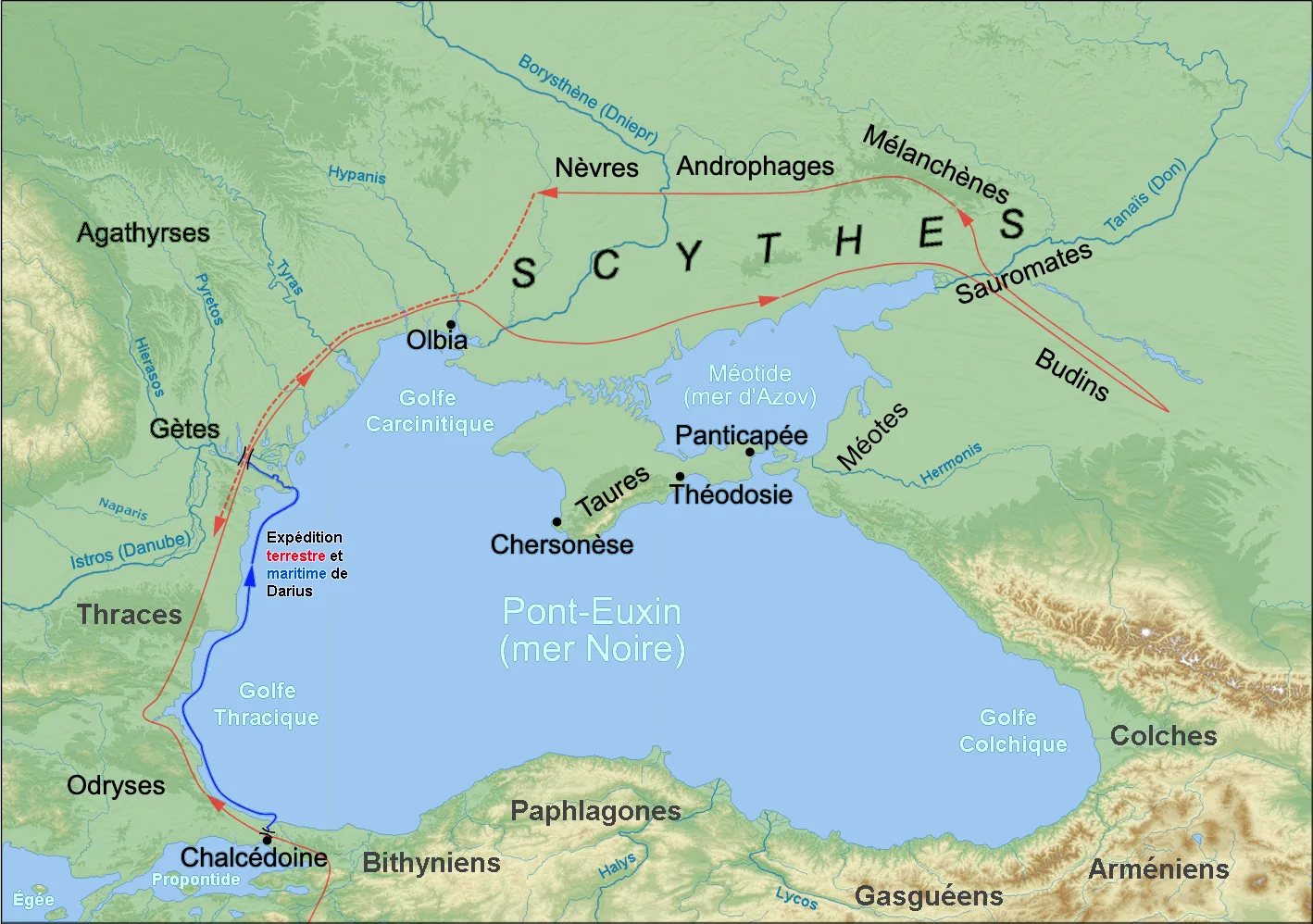
Wikimedia Commons · Creative Commons CC0 1.0 Universal Public Domain Dedication · file Continuing north along the Black Sea coast, Darius reached the Danube and crossed its Ionian-bridged mouth into Scythia. Coordinates represent the Danube Delta area; the ancient bridge’s exact location is uncertain.
Second Egyptian visit and canal inauguration
· Egypt
Darius returned to Egypt, opened the canal linking the Nile system and Red Sea, executed Aryandes for treason, and set up commemorative monuments. Coordinates represent the Wadi Tumilat canal corridor; the source establishes presence in Egypt but not Darius’s precise inauguration point.
Entombment at Naqsh-e Rostam
· Tomb of Darius I, Naqsh-e Rostam, Fars Province, Iran
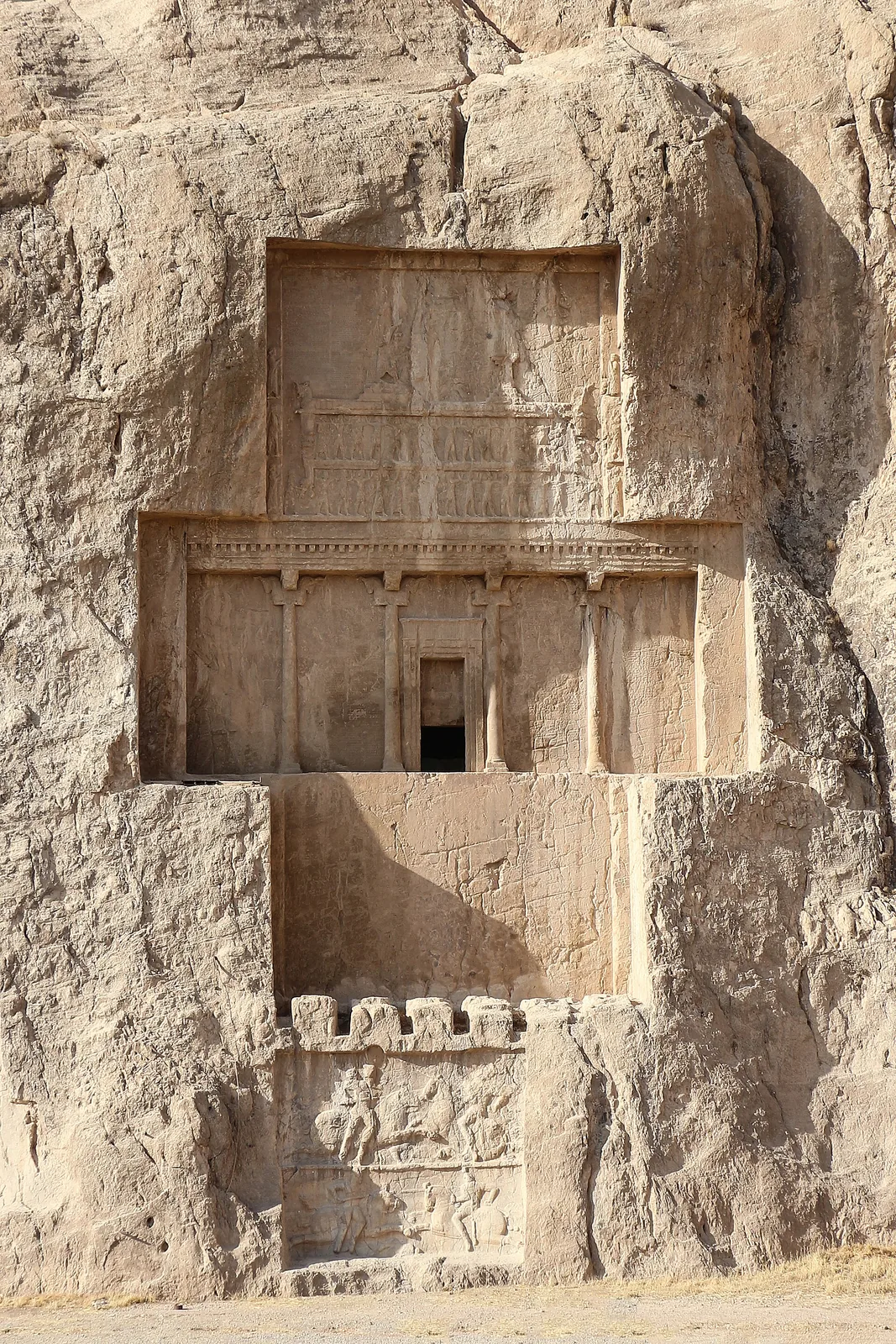
Wikimedia Commons · GNU Free Documentation License, Version 1.2 or any later version · file After his death in October 486 BCE, Darius’s embalmed body was placed in the rock-cut tomb he had prepared at Naqsh-e Rostam. This card documents the physical presence of Darius’s body after death; the source does not specify his place of death.