
13 moments
Treaty negotiations at Margus
· Margus, near Požarevac, Serbia
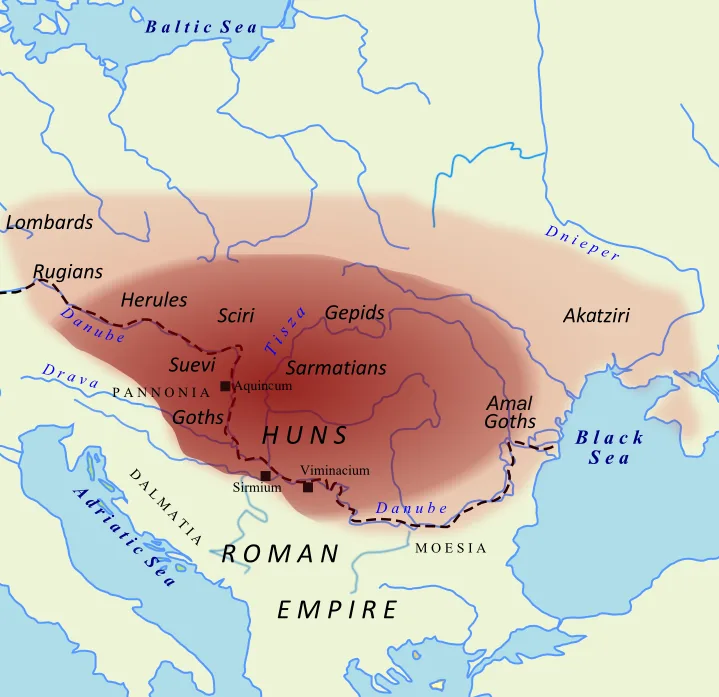
Wikimedia Commons · CC BY-SA 3.0 · file Attila and his co-ruler Bleda met an Eastern Roman delegation at Margus and negotiated the treaty that increased Roman payments and regulated fugitives and trade.
Invasion through Illyricum
· Illyricum, Eastern Roman Empire
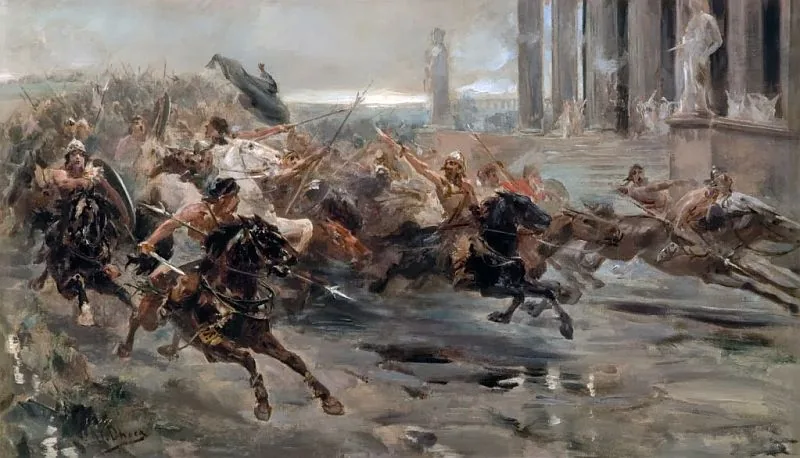
Wikimedia Commons · Public domain · file Attila and Bleda invaded the Balkans through Illyricum during the renewed Hunnic war with the Eastern Roman Empire. Coordinate is a representative point for the broad Roman region, not a reconstructed route or camp.
Battle of the Utus
· Battle of the Utus, near the Vit River, Bulgaria
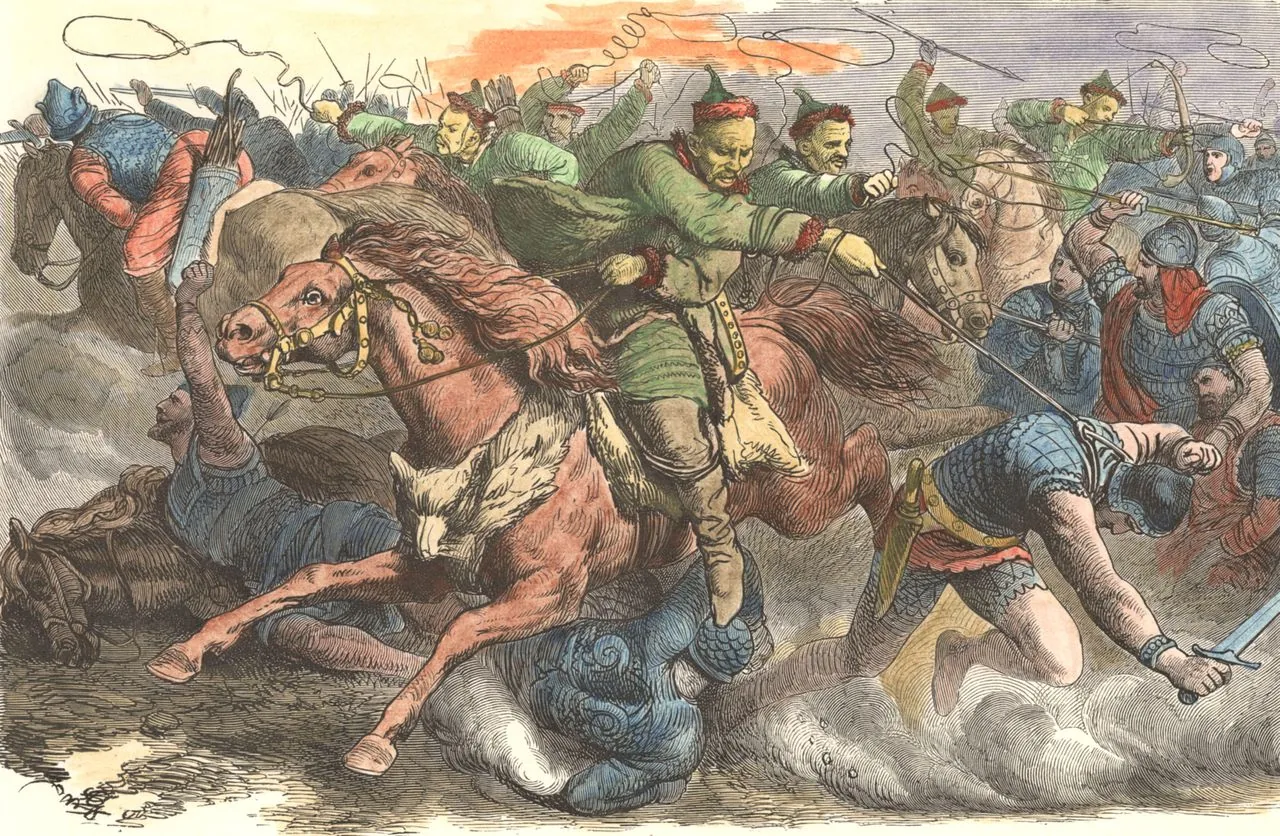
Wikimedia Commons · Public domain · file Attila led the Hunnic army against the Eastern Roman field forces at the River Utus; the battle ended in a Hunnic victory. Battle location is conventionally placed near the modern Vit River.
At the Hunnic royal residence
· Hunnic royal residence, Great Hungarian Plain (site unknown)
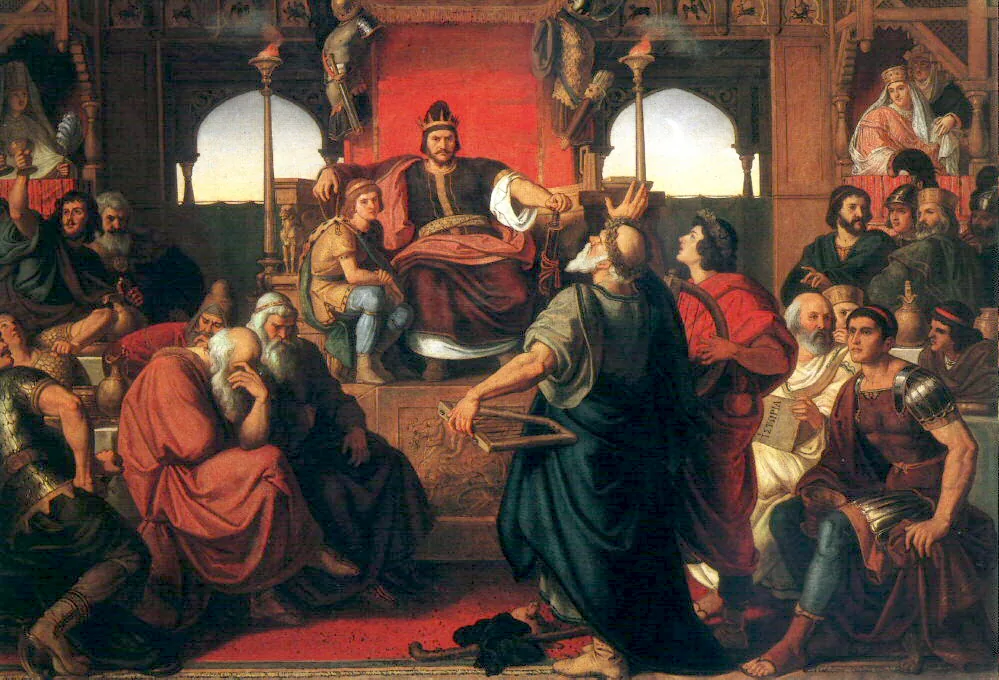
Wikimedia Commons · Public domain · file Priscus's embassy encountered Attila at a large royal residence during its mission to the Huns, providing rare contemporary evidence for Attila's court life. The residence's archaeological location is unknown; coordinate is a representative point in the Great Hungarian Plain. Dating of Priscus's embassy is variously given as 448 or 449.
Arrival in Belgica
· Belgica, Roman Gaul
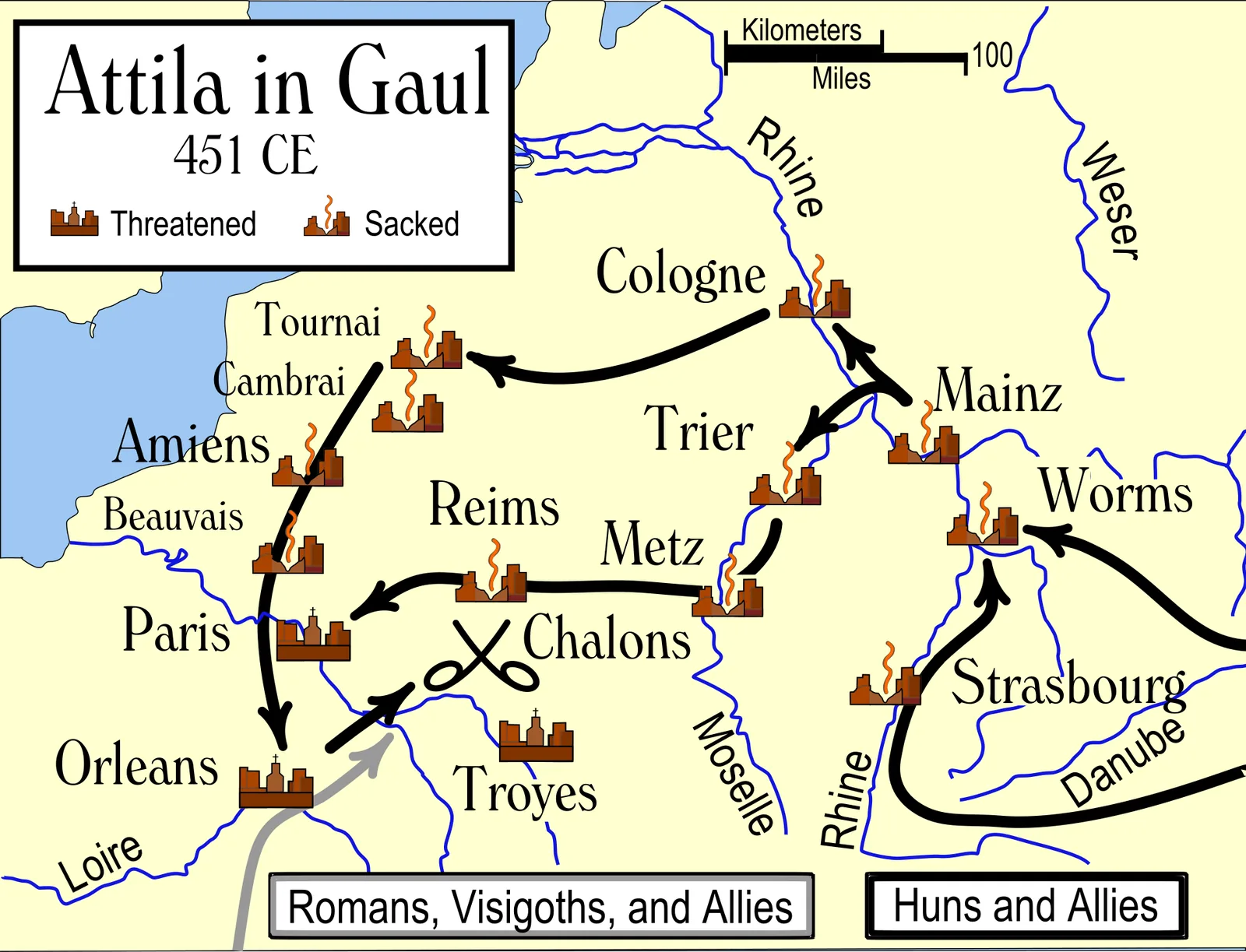
Wikimedia Commons · CC BY-SA 3.0 · file Attila entered Belgica with his multinational army during the western campaign that culminated in the siege of Orléans and the Catalaunian battle. Coordinate is a representative point for the Roman province/region.
Capture of Strasbourg
· Strasbourg, France
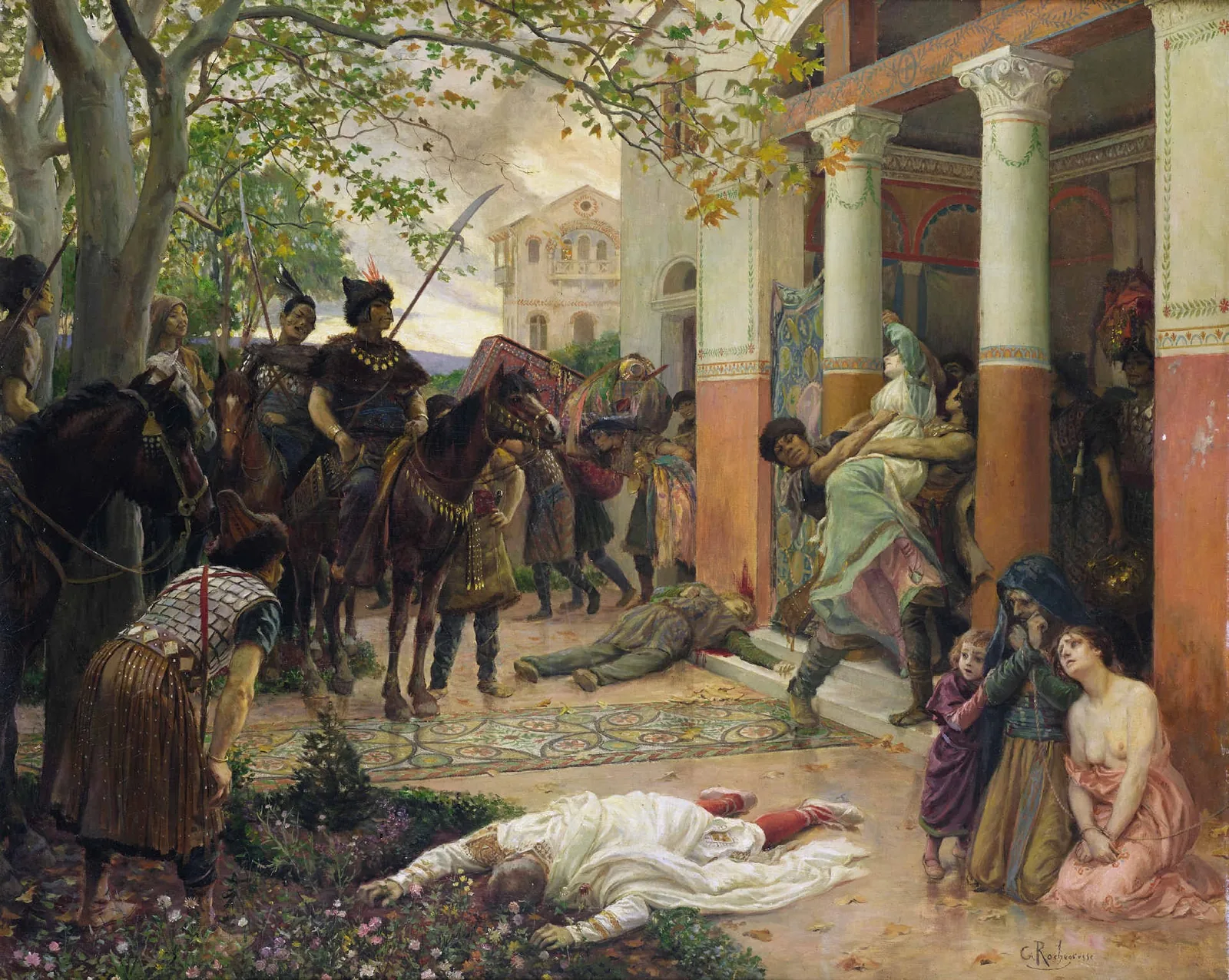
Wikimedia Commons · Public domain · file Attila's westward advance also reached Strasbourg during the 451 invasion of Gaul. Only the year is supported here.
Capture of Metz
· Metz, France
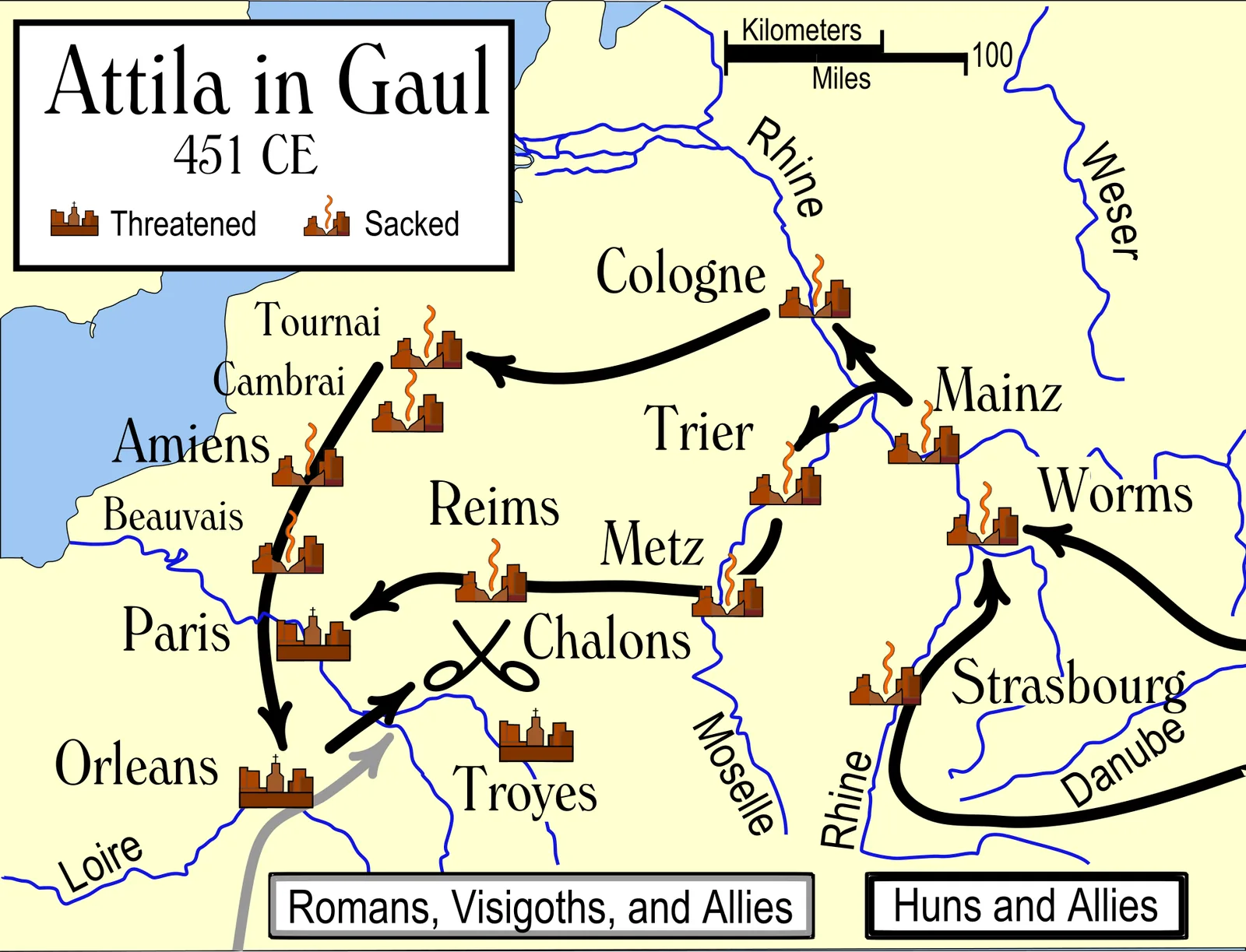
Wikimedia Commons · CC BY-SA 3.0 · file During the Gaul campaign, Attila captured Metz after crossing the Rhine. The exact day is transmitted in later historical tradition and has been questioned by some modern scholars.
Siege of Aurelianum
· Aurelianum (Orléans), France
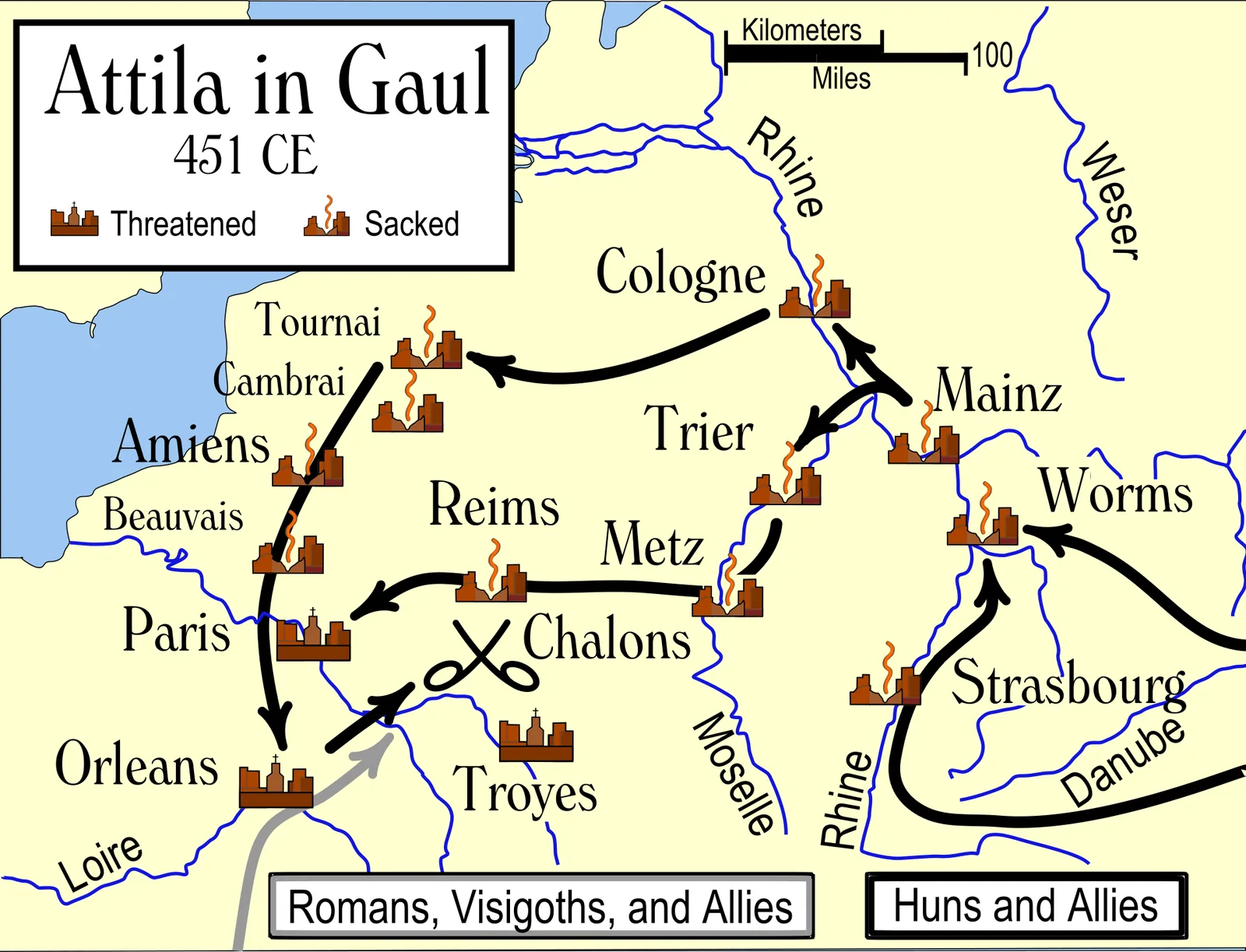
Wikimedia Commons · CC BY-SA 3.0 · file Attila besieged Aurelianum (modern Orléans); his final assault was broken off as the Roman-led coalition approached. The source dates the final assault to June 14; the chronology and details of the siege rely partly on hagiographic and later accounts.
Battle of the Catalaunian Plains
· Catalaunian Plains, Champagne-Ardenne, France
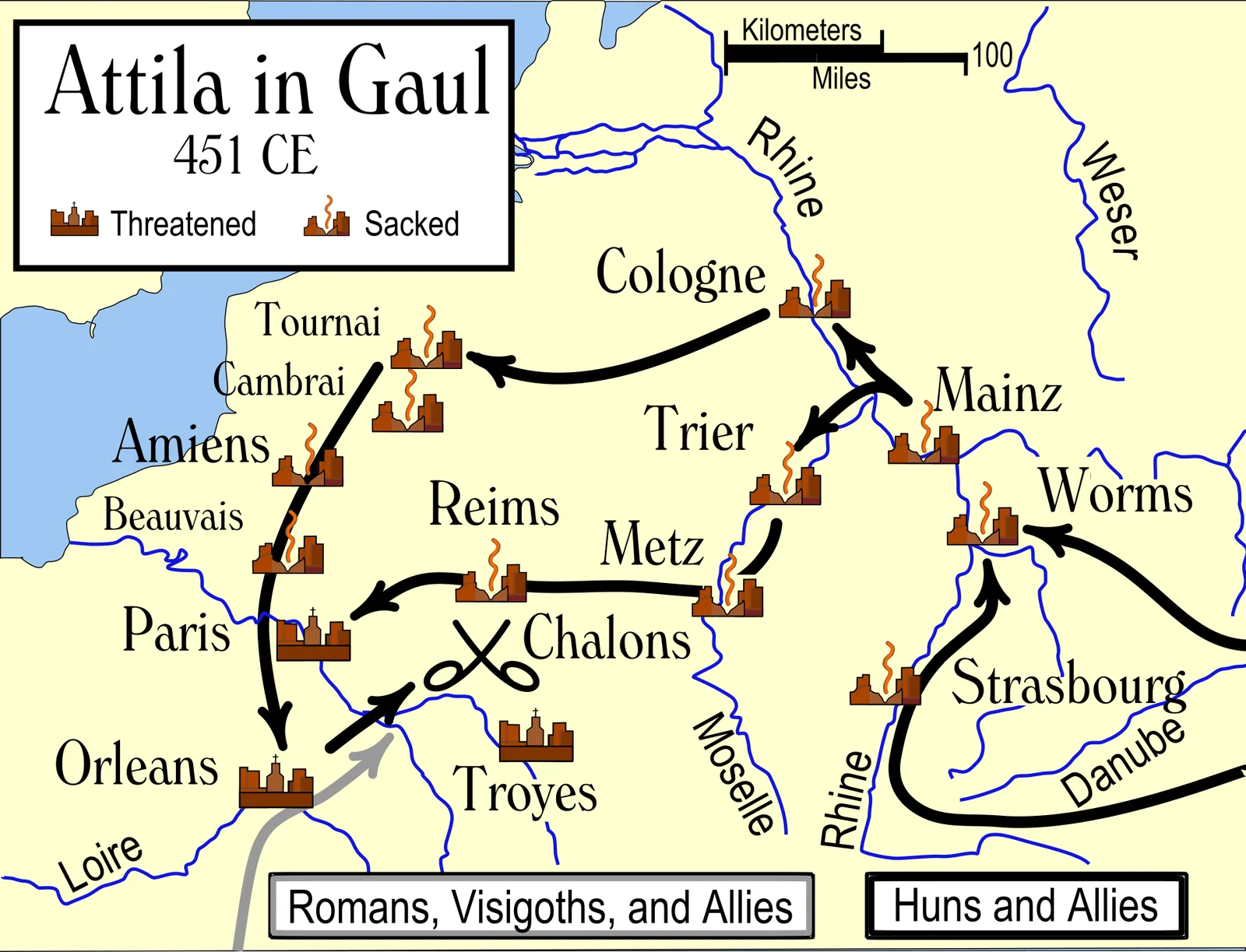
Wikimedia Commons · CC BY-SA 3.0 · file Attila commanded the Hunnic and allied forces against the Roman-Visigothic coalition in the major battle of the Gaul campaign. The exact battlefield remains uncertain; coordinate is the conventional regional point.
Halt at the River Po
· River Po, northern Italy
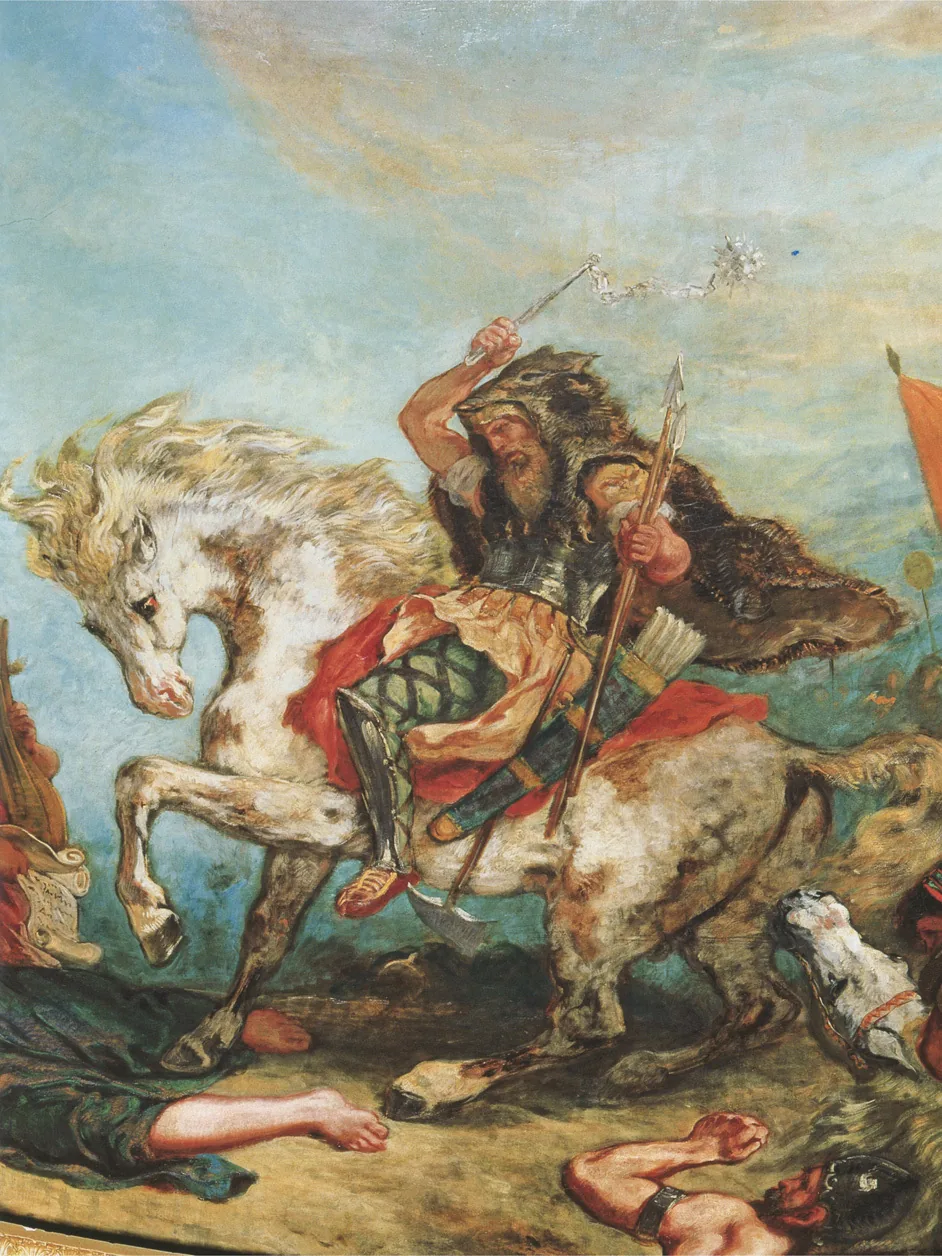
Wikimedia Commons · Public domain · file During the Italian invasion, Attila halted on the River Po as logistical and disease pressures affected his campaign. Coordinate is a representative point on the middle Po; the camp site is not securely identified.
Meeting with Pope Leo I at the Mincio
· Mincio River near Mantua, Italy
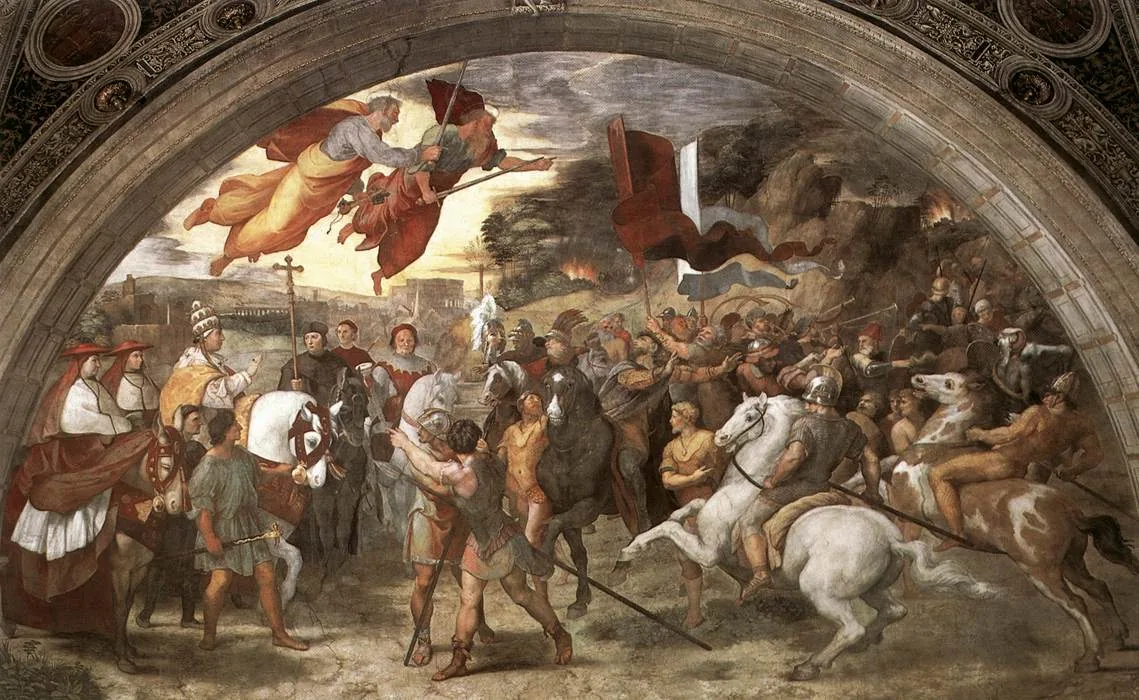
Wikimedia Commons · Public domain · file Attila received Pope Leo I and other Roman envoys near the Mincio and promised to withdraw from Italy and negotiate peace. The precise meeting place is disputed; coordinate represents the Mincio corridor near Mantua.
Siege and sack of Aquileia
· Aquileia, Friuli-Venezia Giulia, Italy
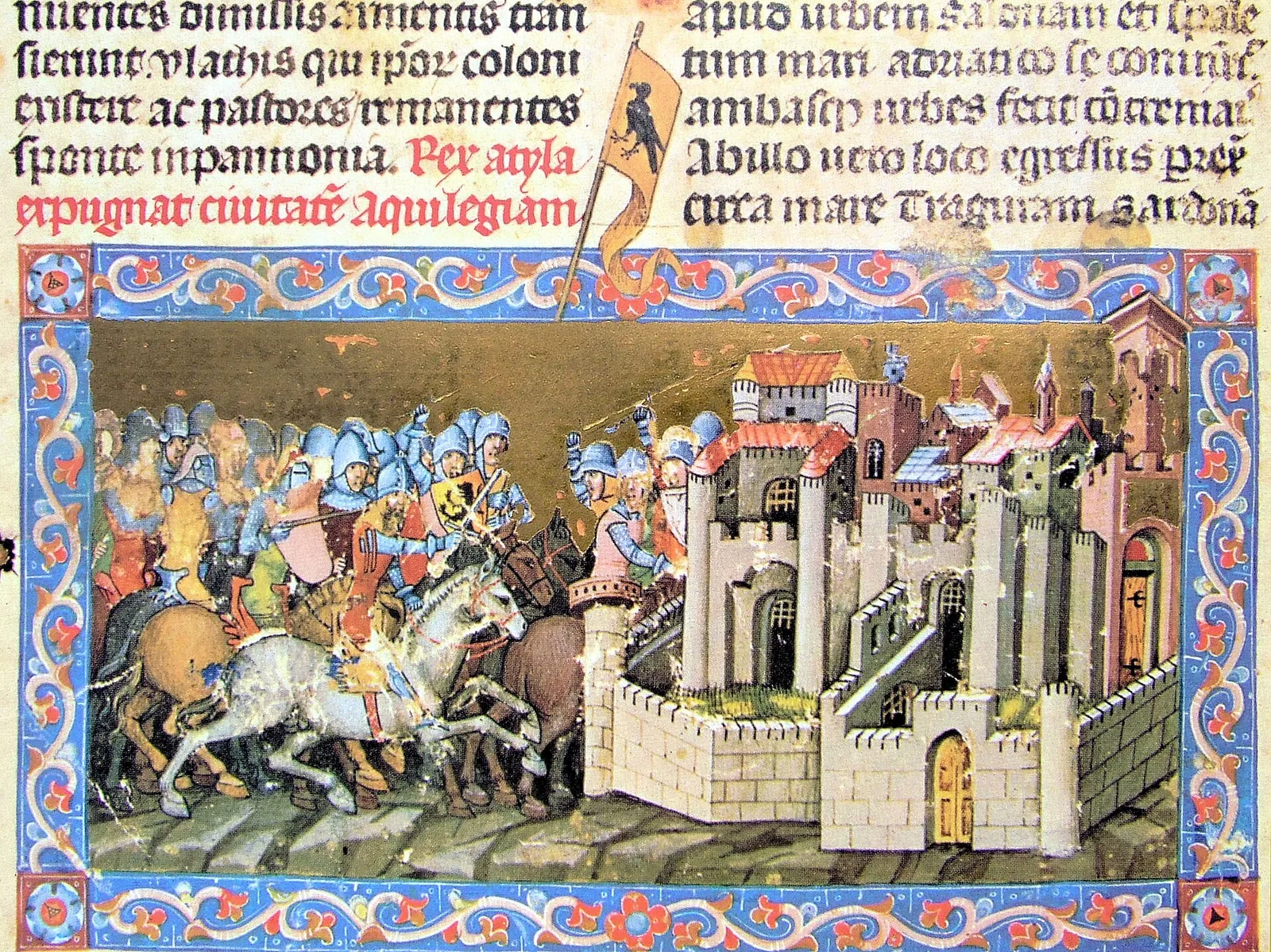
Wikimedia Commons · Public domain · file In the Italian campaign, Attila personally directed the siege of Aquileia before the city was taken and devastated. The source is Jordanes's sixth-century account, drawing in part on earlier material.
Death at palace across the Danube
· Hunnic royal palace across the Danube (site unknown)
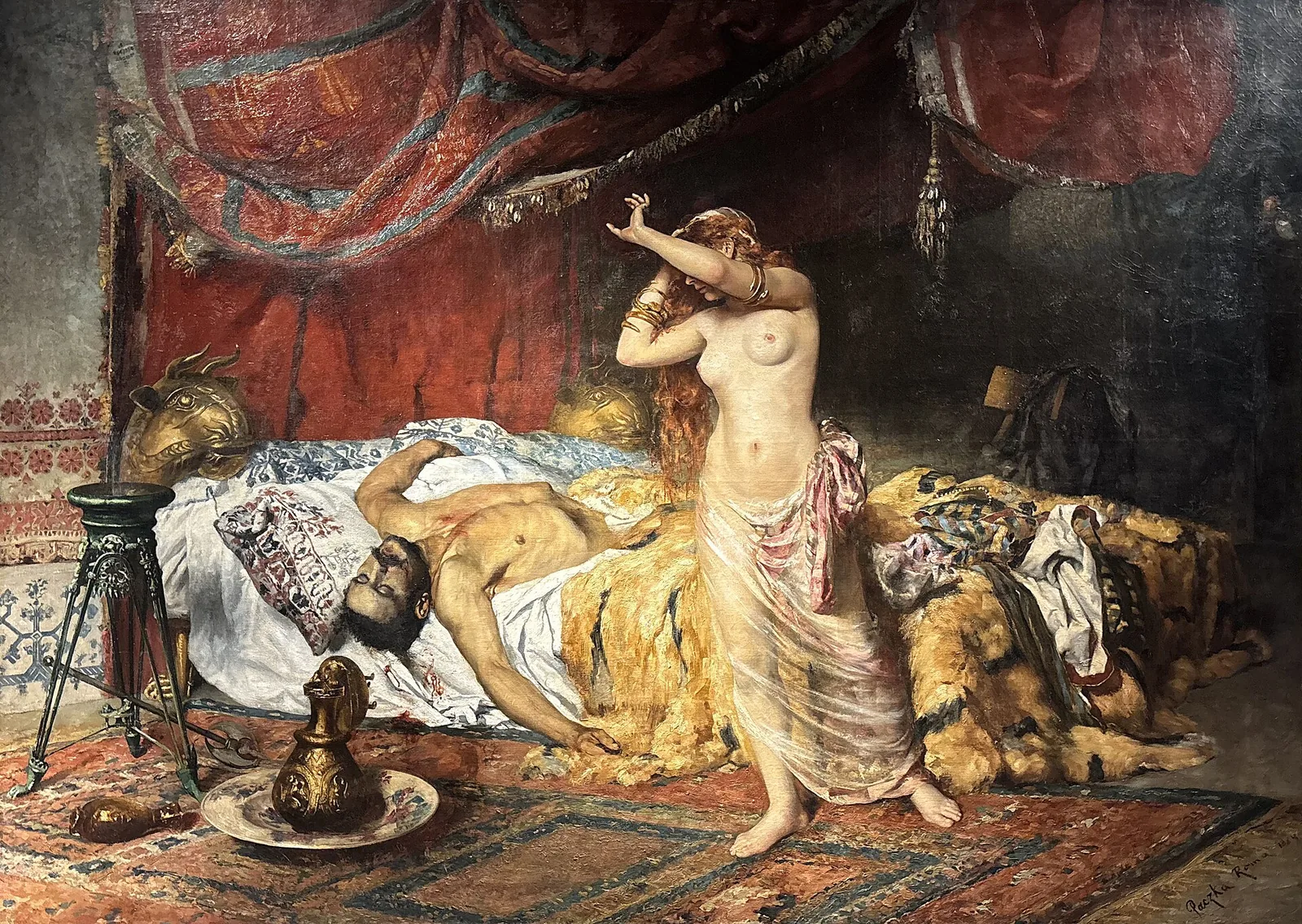
Wikimedia Commons · Public domain · file After withdrawing from Italy, Attila returned to his palace across the Danube, where he died in the early months of 453. Neither the palace nor Attila's burial place has been securely located; coordinate is a representative point in the Great Hungarian Plain.