
24 moments
Birth at the Hitchcock family shop
· 517 High Road, Leytonstone, London, England
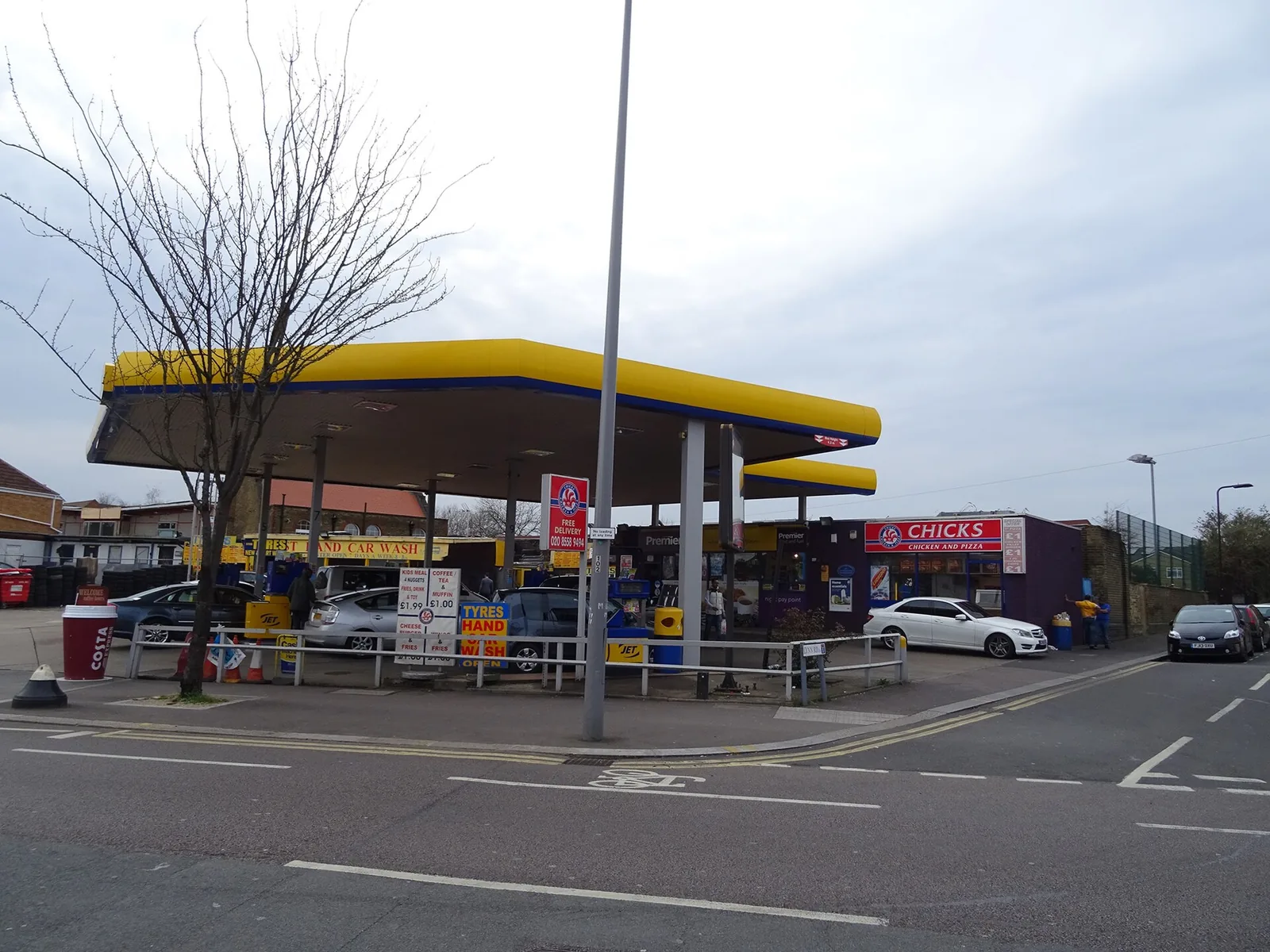
Wikimedia Commons · Creative Commons Attribution-Share Alike 4.0 International · file Hitchcock was born above his parents’ greengrocer’s shop in Leytonstone, then in Essex. This was the beginning of his life in the London area. Coordinates represent the documented street address; the original building no longer survives.
Howrah House Convent schooling
· Howrah House Convent, Poplar, London, England
Hitchcock began formal schooling at Howrah House Convent in Poplar during his childhood in London’s East End. The precise former school site is not established here; coordinates represent Poplar.
St Ignatius College enrolment
· St Ignatius College, Stamford Hill, London, England
Hitchcock was sent to the Jesuit grammar school St Ignatius College, an institution he later associated with discipline and fear.
Engineering and navigation classes
· London County Council School of Engineering and Navigation, Poplar, London, England
After leaving St Ignatius, Hitchcock entered night classes in engineering and navigation in Poplar, pursuing the technical education that preceded his film career. Coordinates represent central Poplar because the precise historical school building is uncertain.
Technical clerk at Henley Telegraph and Cable
· Henley Telegraph and Cable Company, Blomfield Street, London, England
Following his father’s death, Hitchcock worked as a technical clerk at the Henley Telegraph and Cable Company in the City of London. The source situates the job after his father's December 1914 death but does not provide a precise employment-start date.
Royal Engineers exercise in Hyde Park
· Hyde Park, London, England
While attached to a Royal Engineers cadet regiment, Hitchcock took part in practical exercises in Hyde Park. The article places this activity during his 1917 Royal Engineers cadet service; no exact exercise date is supplied.
Entry into film work at Islington Studios
· Islington Studios, Poole Street, Hoxton, London, England
Hitchcock entered the film industry as a title-card designer at Islington Studios in Hoxton, beginning the career that would make him an internationally known director. The historic studio site is represented by its former Poole Street location.
Arrival at Brenner Pass during The Pleasure Garden production
· Brenner Pass, Austria-Italy border
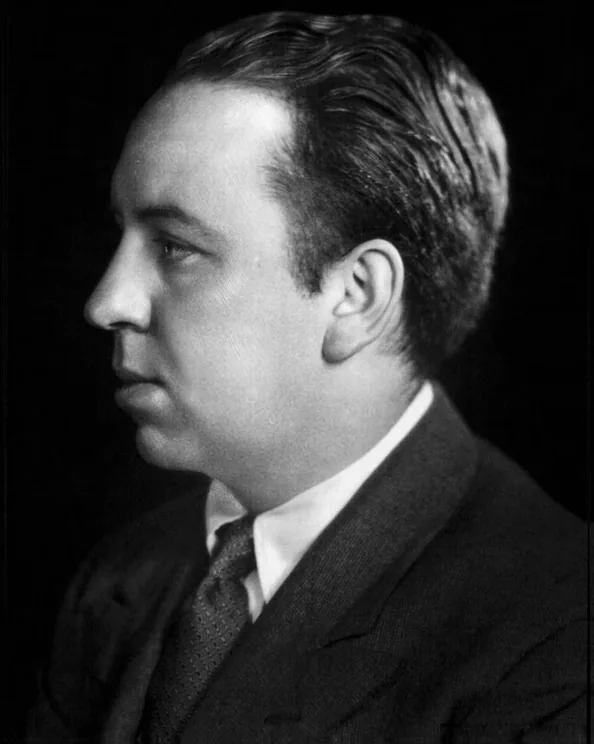
Wikimedia Commons · Public domain · file Traveling for his first directing assignment, Hitchcock arrived at Brenner Pass with film stock for The Pleasure Garden production. The source places the incident during production in 1925; no exact arrival date is given.
Observation at Babelsberg Studios
· Babelsberg Studios, Potsdam, Germany
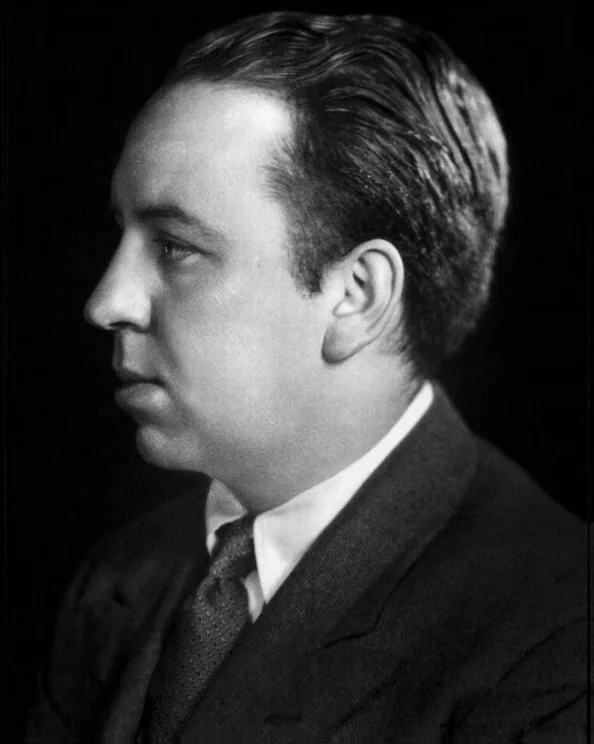
Wikimedia Commons · Public domain · file During his German work on The Blackguard, Hitchcock observed F. W. Murnau’s production work at Babelsberg Studios, an important formative encounter with German filmmaking. The source identifies The Blackguard as a 1925 production; it does not provide a more precise visit date.
Visits to Berlin cultural institutions
· Berlin, Germany
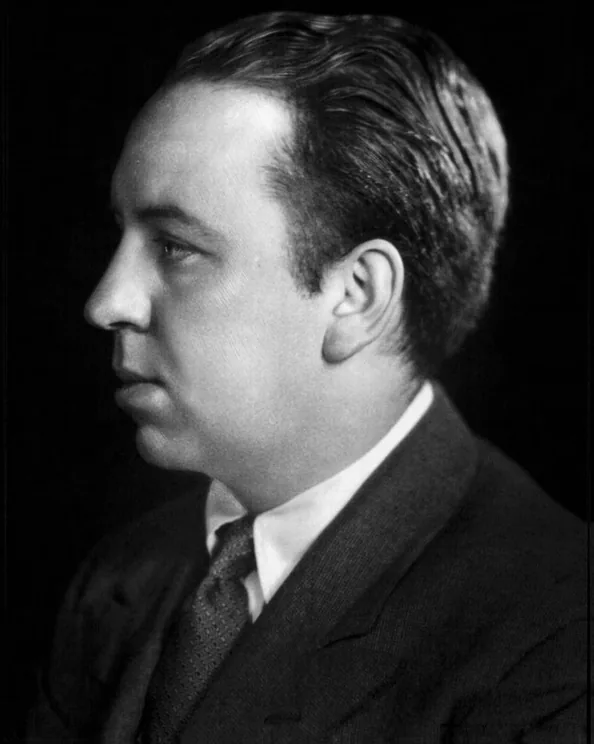
Wikimedia Commons · Public domain · file While working in Germany, Hitchcock visited Berlin’s galleries, concerts, and museums, experiences that accompanied his exposure to German cinema. The statement occurs in the account of Hitchcock's 1925 German work; it documents repeated visits rather than a single dated appearance.
Honeymoon in Paris
· Paris, France
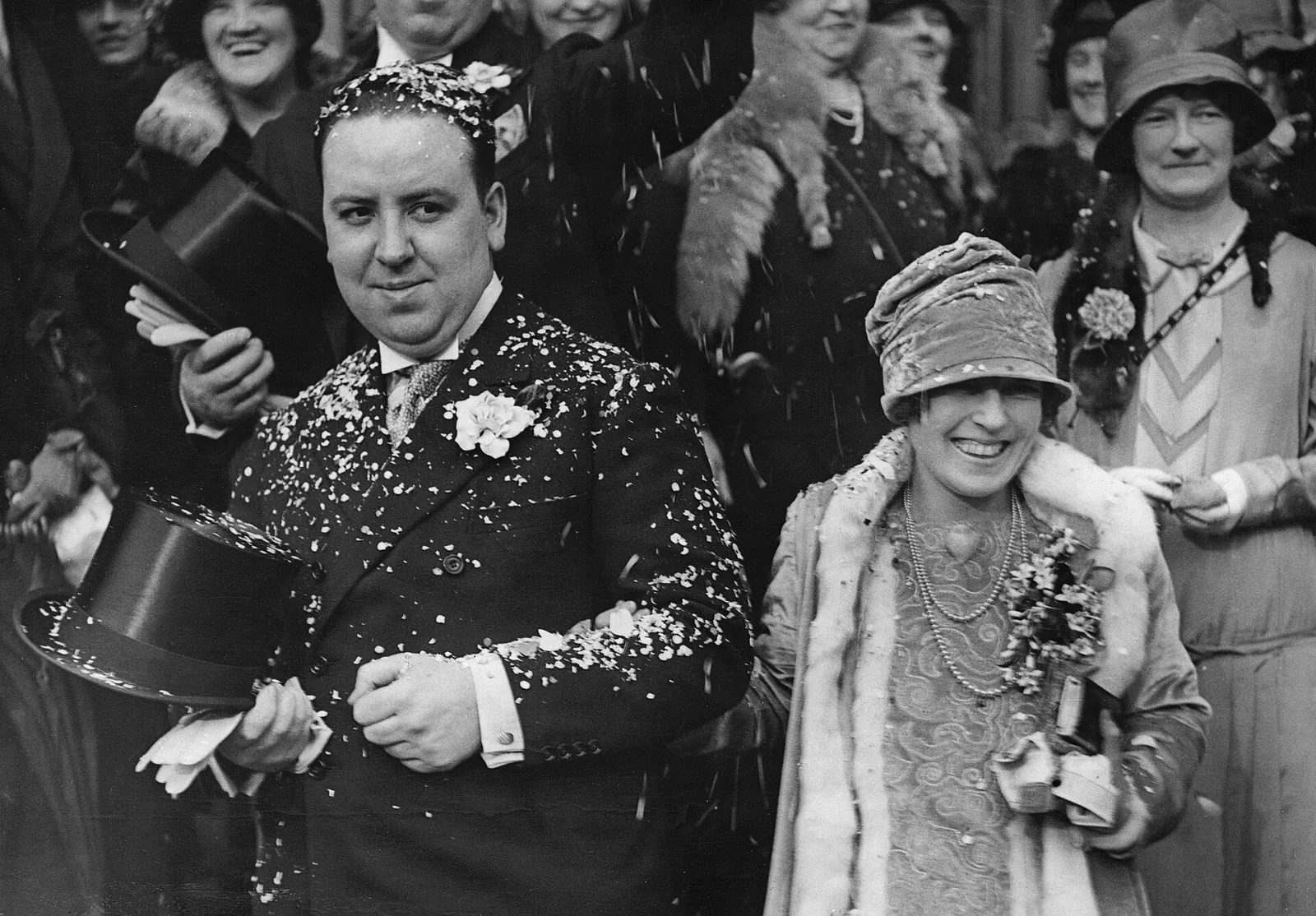
Wikimedia Commons · Public domain · file After their wedding, Alfred and Alma Hitchcock honeymooned in Paris before continuing to Lake Como and St. Moritz. The source establishes the honeymoon destinations but does not provide individual arrival dates.
Marriage to Alma Reville
· Brompton Oratory, South Kensington, London, England
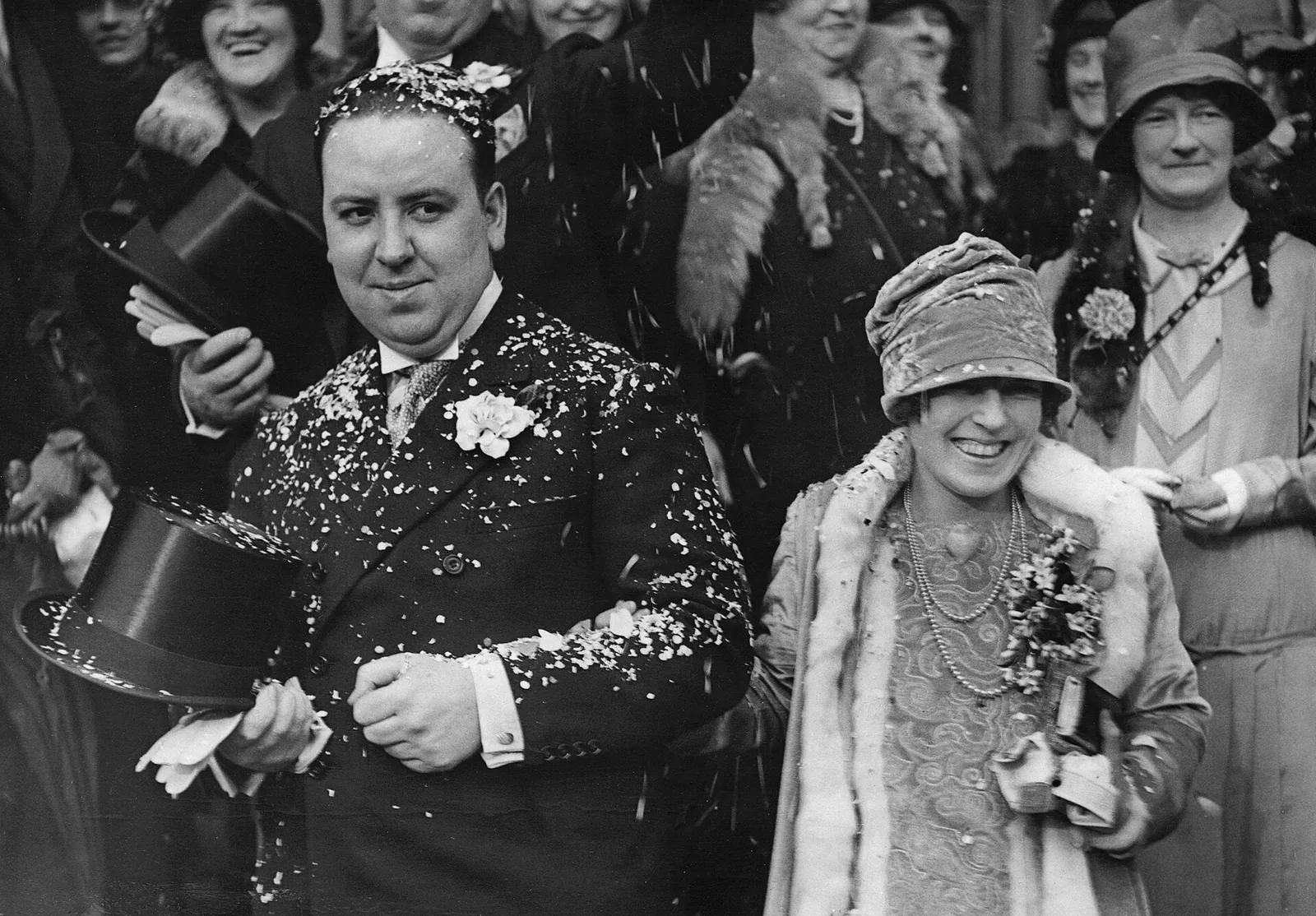
Wikimedia Commons · Public domain · file Hitchcock married screenwriter and longtime collaborator Alma Reville at Brompton Oratory in South Kensington.
First meeting with David O. Selznick
· Hollywood, Los Angeles, California, United States
During his 1938 American visit, Hitchcock met producer David O. Selznick in Hollywood, a key step toward his eventual move to the United States. The meeting follows the account of Hitchcock's June 1938 American voyage; no exact meeting day is provided.
First voyage to New York
· New York City, New York, United States
Hitchcock sailed to New York aboard RMS Queen Mary during the trip that brought him into direct contact with the American film industry. Coordinates represent New York City rather than a precise ship berth.
Relocation to Hollywood
· Hollywood, Los Angeles, California, United States
After signing with Selznick, Hitchcock and Alma Reville moved to Hollywood, establishing the base for the American phase of his career. April 1939 precisely dates the contract's beginning; the source does not specify the day of the move.
Saboteur location-scouting tour
· New York City, New York, United States
Hitchcock made a three-day location-scouting tour of New York City for Saboteur, whose climax used the Statue of Liberty. No precise dates for the three-day tour are given.
Extended wartime visit to the United Kingdom
· United Kingdom
Hitchcock returned to the United Kingdom during the Second World War, where he made Bon Voyage and Aventure Malgache for the Ministry of Information. Coordinates are a representative point for the country because the quoted evidence identifies the UK, not a single site. The visit continued into 1944.
Consultation at the California Institute of Technology
· California Institute of Technology, Pasadena, California, United States
Hitchcock and screenwriter Ben Hecht consulted physicist Robert Millikan at Caltech while developing the uranium-bomb element of Notorious. The source explicitly qualifies the timing as 'in or around March 1945.'
Stage Fright filming in London
· London, England
Hitchcock returned to London for Stage Fright during a brief partial return to British filmmaking through Transatlantic Pictures. The British Film Institute identifies London as 'the capital' in the immediately surrounding discussion.
Rear Window production at Paramount Studios
· Paramount Studios, Hollywood, Los Angeles, California, United States
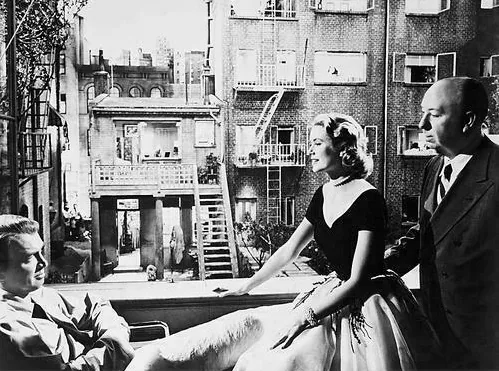
Wikimedia Commons · Public domain · file Hitchcock directed Rear Window at Paramount Studios, where its large courtyard set was constructed on Stage 18. The associated production account identifies Stage 18 at Paramount Studios as the filming site.
Hitchcock–Truffaut interviews
· Hollywood, Los Angeles, California, United States
François Truffaut conducted an extensive series of interviews with Hitchcock in Hollywood; the resulting dialogue became the basis for Hitchcock/Truffaut. The source gives the year and duration but not the particular week.
Return to London for Frenzy
· London, England
In the late stage of his career, Hitchcock returned to London to make Frenzy, a thriller adapted from Arthur La Bern’s Goodbye Piccadilly, Farewell Leicester Square. The source documents a return to London in connection with the 1972 film but does not give arrival or departure dates.
KBE papers presented at Universal Studios
· Universal Studios, Universal City, California, United States
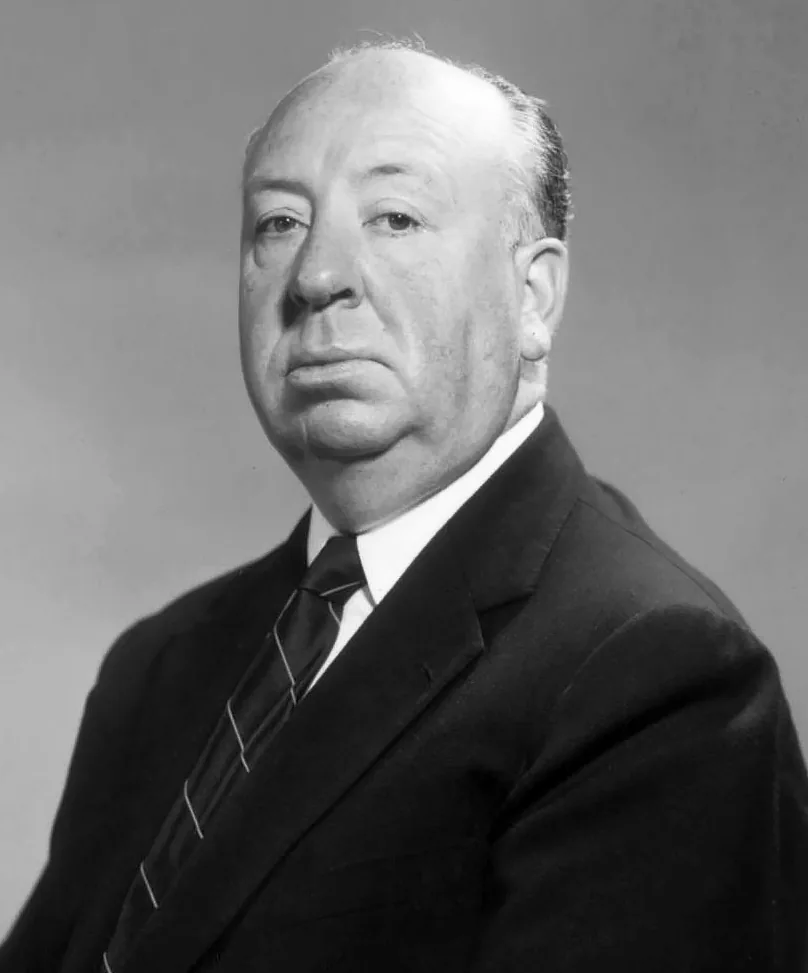
Wikimedia Commons · Public domain · file Too ill to travel to London for the honor, Hitchcock received the papers for his KBE from the British consul general at Universal Studios.
Death at Bel Air home
· Bel Air, Los Angeles, California, United States
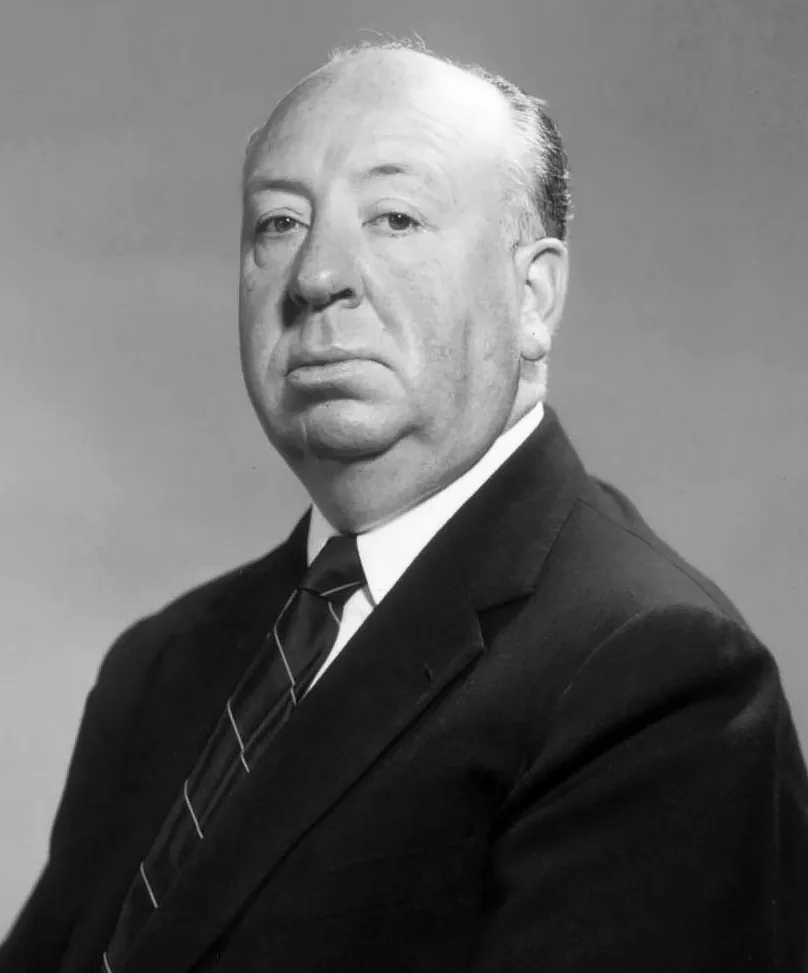
Wikimedia Commons · Public domain · file Hitchcock died of kidney failure at his Bel Air home in Los Angeles, ending a filmmaking career that had begun in London more than six decades earlier. Coordinates represent Bel Air rather than the private home address.